The arrival of a new year brings a fresh sense of hope and the promise of a bright future. Many cultures around the world turn to specific foods to invite wealth, health, and happiness into their homes. These culinary traditions are more than just meals. They are symbolic rituals passed down through generations to ensure a lucky start.
Traditional New Year’s Recipes
Eating black eyed peas in the South or twelve grapes in Spain connects us to a global tapestry of heritage. Every bite carries a specific meaning, from the long noodles representing a long life to lentils that look like tiny coins. Setting your table with these dishes is a beautiful way to honor the past while looking forward to what is next.
This collection of recipes offers a delicious roadmap to global traditions. Whether you want a sweet treat or a savory feast, these 38 options will fill your kitchen with wonderful aromas. Prepare to gather your loved ones and share a meal that celebrates the spirit of renewal and the joy of a fresh start.
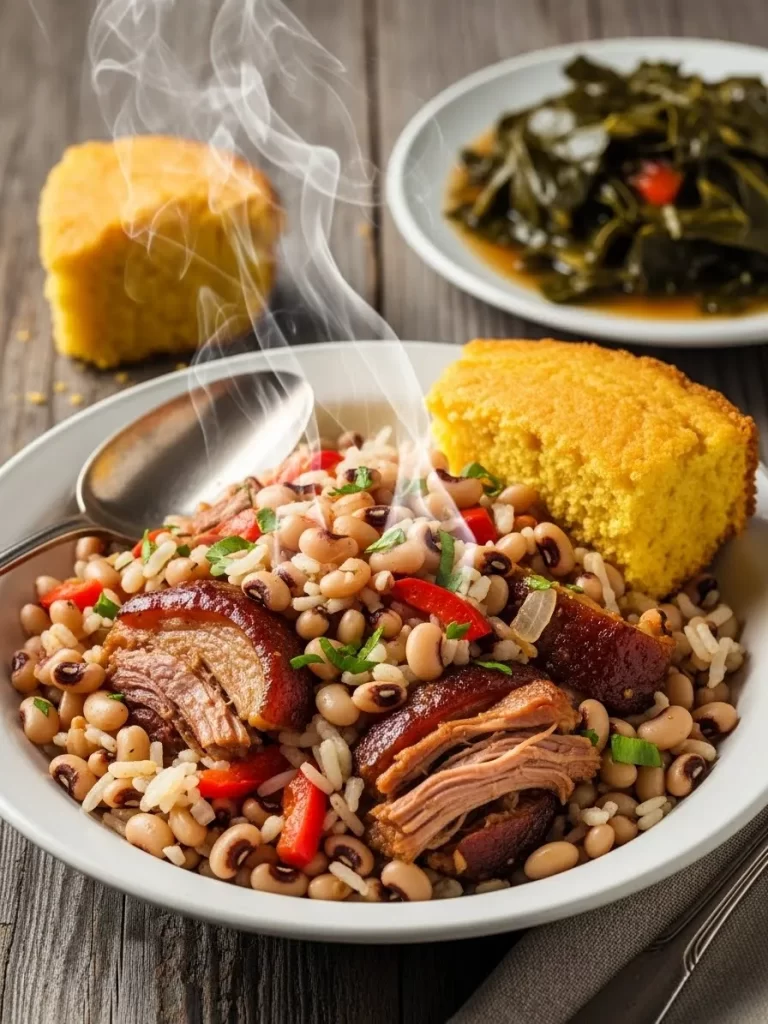
Steam rises from a white bowl filled with plump black eyed peas and long grain rice. Thick slices of tender pork belly sit nestled among the beans. Bright red peppers and fresh green herbs add pops of color to this hearty mixture.
A golden square of buttery cornbread rests on the edge of the plate. Deep green collard leaves soak in a savory broth in the background. This meal represents a classic tradition for wealth and health in the coming year.
The rustic wooden table creates a cozy atmosphere for a New Year feast. Each ingredient carries a special meaning for prosperity. You can almost smell the smoky aroma of the slow cooked meat and spices.
Ingredients Required
1 pound dried black eyed peas
1 pound smoked ham hock or pork belly
2 cups long grain white rice
1 large onion, chopped
1 green bell pepper, diced
2 stalks celery, sliced
4 cups chicken broth
2 cloves garlic, minced
1 teaspoon dried thyme
Salt and black pepper to taste
Equipment Needed
Large pot or Dutch oven
Cutting board
Sharp knife
Colander
Measuring cups and spoons
Wooden spoon
DIY Instructions
Place the dried black eyed peas in a large bowl and cover them with water. Let them soak overnight or for at least six hours to soften the beans.
Drain the soaking water and rinse the peas under cold water using a colander.
Set your large pot on the stove over medium heat. Add the chopped onion, celery, and bell pepper with a splash of oil.
Cook the vegetables until they become soft and the onions look clear.
Add the minced garlic and cook for one minute until you smell the aroma.
Place the ham hock or sliced pork belly into the pot.
Pour in the black eyed peas and the chicken broth. Ensure the liquid covers the beans by an inch.
Stir in the thyme and a pinch of black pepper.
Bring the liquid to a boil and then turn the heat down to low.
Cover the pot with a lid and let it simmer for about one hour. The beans should be tender but not mushy.
Add the white rice to the pot and stir gently.
Cover the pot again and cook for another 20 minutes until the rice absorbs the liquid.
Remove the ham hock and shred the meat into small pieces.
Return the meat to the pot and stir everything together.
Season with salt to your liking and serve hot with a side of cornbread.
2. Long Life Toshikoshi Soba
Traditional New Year’s Recipes
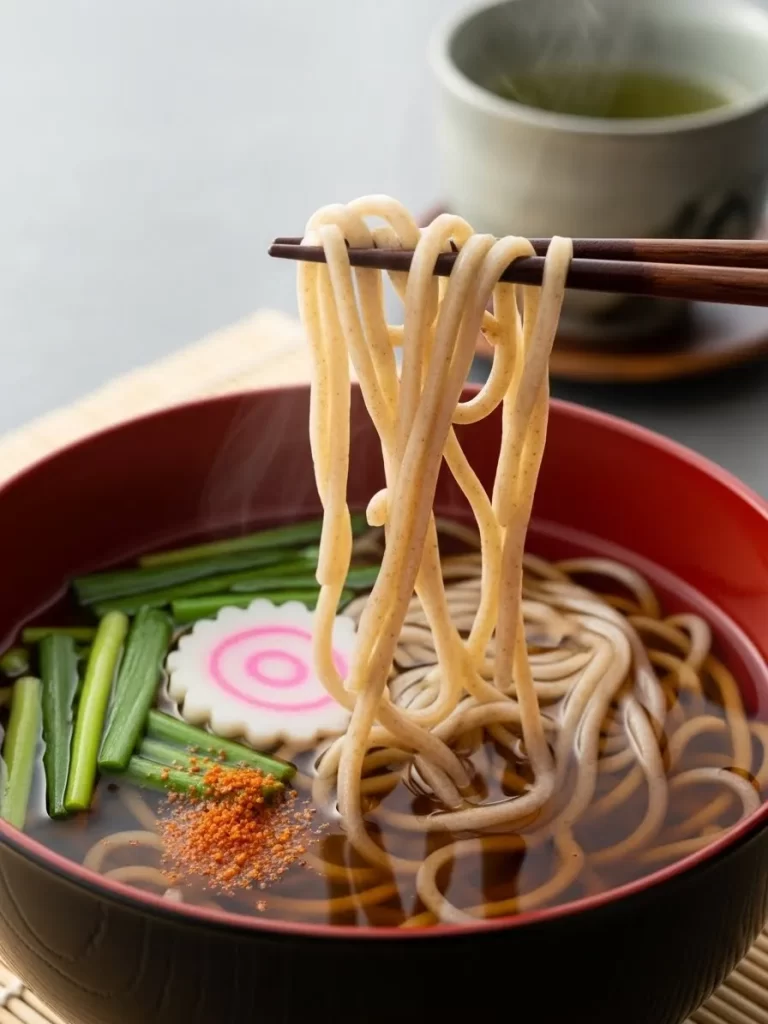
Long buckwheat noodles rest in a deep red bowl filled with clear dashi broth. A swirl of pink and white narutomaki fish cake sits on top near fresh green onion stalks. A dash of red chili powder adds a small burst of heat to the mild soup.
Chopsticks lift a heavy bundle of noodles high above the steam. The long shape of the soba represents a wish for a long and healthy life. Eating this dish before midnight helps wash away the hardships of the past year.
Soft light reflects off the dark ceramic surface of the bowl. A cup of hot green tea sits in the background on a simple bamboo mat. This Japanese tradition brings peace and strength as the new year begins.
Ingredients Required
2 bundles dried buckwheat soba noodles
4 cups dashi stock
3 tablespoons soy sauce
2 tablespoons mirin
1 teaspoon sugar
2 stalks green onions thinly sliced
4 slices narutomaki fish cake
Shichimi torgarashi red pepper flakes for garnish
Equipment Needed
Large pot for boiling
Medium saucepan
Measuring spoons and cups
Chef knife and cutting board
Kitchen tongs or chopsticks
Serving bowls
DIY Instructions
Fill a large pot with water and bring it to a rolling boil on your stove.
Drop the dried soba noodles into the boiling water and stir gently so they do not stick.
Cook the noodles for about 5 to 7 minutes until they feel soft but still firm to the bite.
Drain the noodles in a sink and rinse them under cold running water to stop the cooking.
Combine the dashi stock, soy sauce, mirin, and sugar in a medium saucepan.
Heat the broth over medium heat until it starts to simmer.
Taste the broth and add a tiny bit more soy sauce if you want it saltier.
Divide the cold noodles into two deep serving bowls.
Pour the hot broth over the noodles until they are fully submerged.
Place two slices of the pink fish cake on top of each bowl.
Scatter the sliced green onions over the surface of the soup.
Sprinkle a small amount of red pepper flakes on top for a little spice.
Serve the soup immediately while the broth is steaming hot.
3. Italian Lentils and Cotechino
Traditional New Year’s Recipes
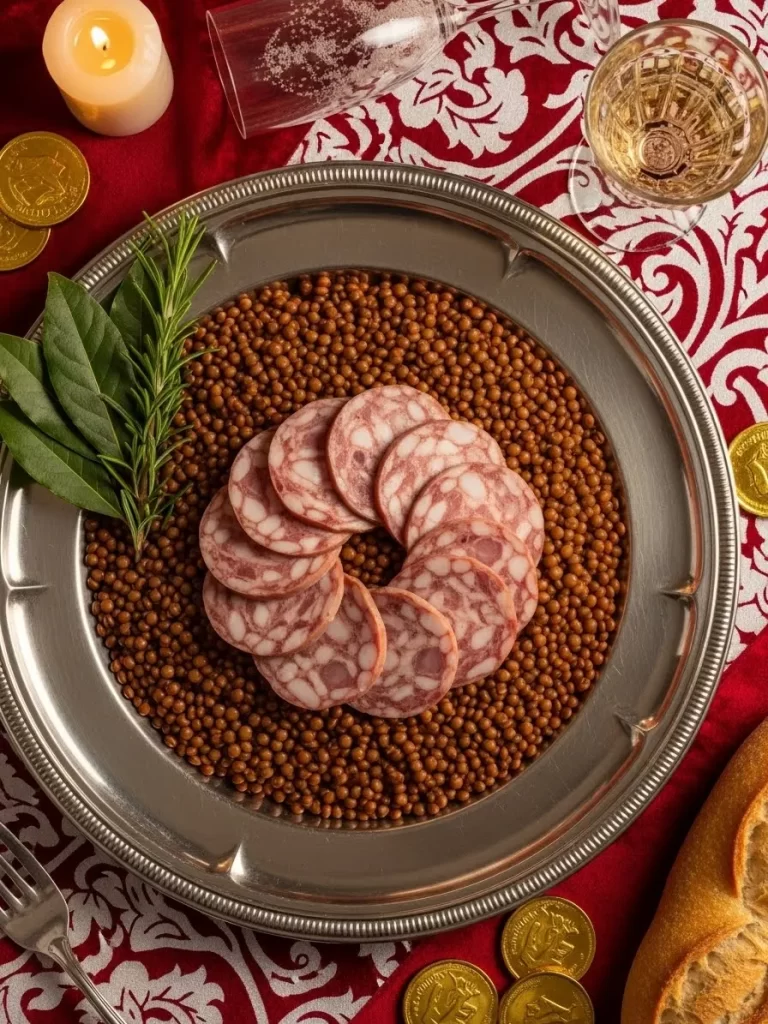
Slices of savory cotechino sausage form a circle on a bed of tiny brown lentils. The meat shows a marbled texture of pink and white within a thin casing. A sprig of fresh rosemary and green bay leaves decorate the side of the silver platter.
Lentils look like small coins and symbolize wealth and money in Italian culture. The rich fat from the sausage represents abundance for the household. Gold coins and a white candle sit on the red tablecloth to invite luck.
A glass of sparkling wine stands ready for a midnight toast nearby. Warm crusty bread rests on the edge of the table to soak up the juices. This hearty meal provides a strong start to a prosperous new season.
Ingredients Required
1 pound precooked cotechino sausage
2 cups dried brown or green lentils
1 large carrot finely diced
1 stalk celery finely diced
1 small onion chopped
3 cups vegetable or beef broth
2 tablespoons olive oil
2 bay leaves
Fresh rosemary sprigs for garnish
Salt to taste
Equipment Needed
Large skillet or wide pan
Medium pot
Knife and cutting board
Serving platter
Wooden spoon
DIY Instructions
Rinse the dried lentils under cold water to remove any dust or small stones.
Place the lentils in a pot with the broth and bay leaves.
Bring the pot to a boil then lower the heat to a simmer.
Cook the lentils for 20 to 25 minutes until they are tender but still hold their shape.
Warm the olive oil in a skillet over medium heat while the lentils cook.
Sauté the onion, carrot, and celery in the oil until the vegetables are soft.
Remove the bay leaves from the cooked lentils and drain any extra liquid.
Stir the cooked vegetables into the lentils and add a pinch of salt.
Take the cotechino sausage out of its packaging and slice it into rounds about half an inch thick.
Brown the sausage slices in a pan for two minutes on each side to make them warm and crispy.
Spread the warm lentils across a large silver or white serving plate.
Arrange the sausage slices in an overlapping circle on top of the lentils.
Tuck the rosemary and extra bay leaves into the side for a pretty look.
Serve this dish with thick slices of bread for a traditional feast.
4. Greek Vasilopita Cake
Traditional New Year’s Recipes
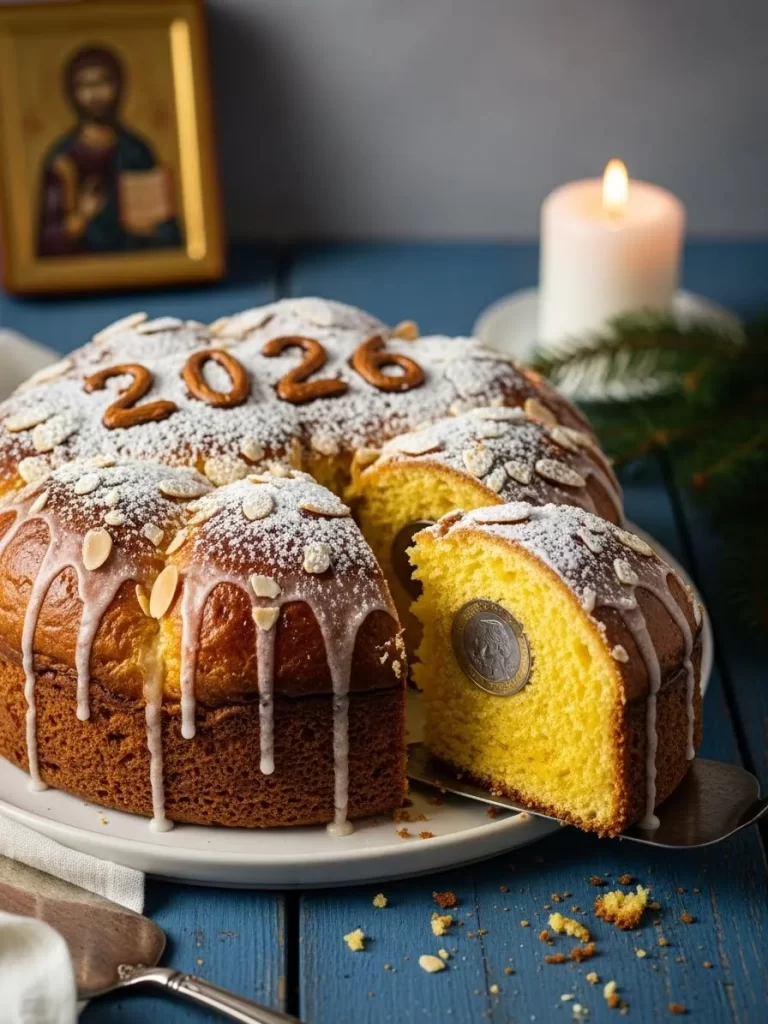
A tall golden cake sits on a white plate decorated with powdered sugar. The numbers 2026 are formed out of toasted almonds on the dark crust. Thin white glaze drips down the sides of the bread like melting snow.
A single slice is pulled back to reveal a shiny silver coin hidden inside the yellow sponge. The person who finds this coin in their portion will have luck all year long. A white candle burns brightly in the background near a small icon.
The cake has a sweet aroma of orange zest and warm spices. Flaked almonds are scattered across the top for extra crunch. This bread connects families through a fun and hopeful search for fortune.
Ingredients Required
3 cups all purpose flour
1 cup white sugar
1 cup unsalted butter softened
3 large eggs
1/2 cup orange juice
1 tablespoon orange zest
1 tablespoon baking powder
1/2 cup whole milk
1/2 cup powdered sugar for the glaze
Whole almonds for decoration
1 clean silver coin wrapped in foil
Equipment Needed
10 inch round cake pan
Electric hand mixer
Large mixing bowl
Rubber spatula
Sifter for powdered sugar
Cooling rack
DIY Instructions
Heat your oven to 350 degrees Fahrenheit and grease your cake pan with butter.
Beat the softened butter and white sugar together in a large bowl until the mix looks fluffy.
Add the eggs one at a time and keep mixing after each egg.
Stir in the orange juice, orange zest, and milk until the liquid is smooth.
Sift the flour and baking powder into the wet ingredients slowly.
Fold the flour in with a spatula until you do not see any white streaks.
Pour half of the batter into the prepared cake pan and smooth it out.
Drop your foil wrapped coin into the batter in a random spot.
Cover the coin with the rest of the batter and level the top.
Bake the cake for 45 to 50 minutes or until a toothpick comes out clean.
Let the cake cool in the pan for 10 minutes before moving it to a wire rack.
Mix the powdered sugar with a teaspoon of water to create a thick white glaze.
Pour the glaze over the cooled cake so it drips down the sides.
Use the whole almonds to write the numbers of the new year on the top.
Dust the entire cake with extra powdered sugar before slicing.
5. Twelve Grapes of Luck
Traditional New Year’s Recipes
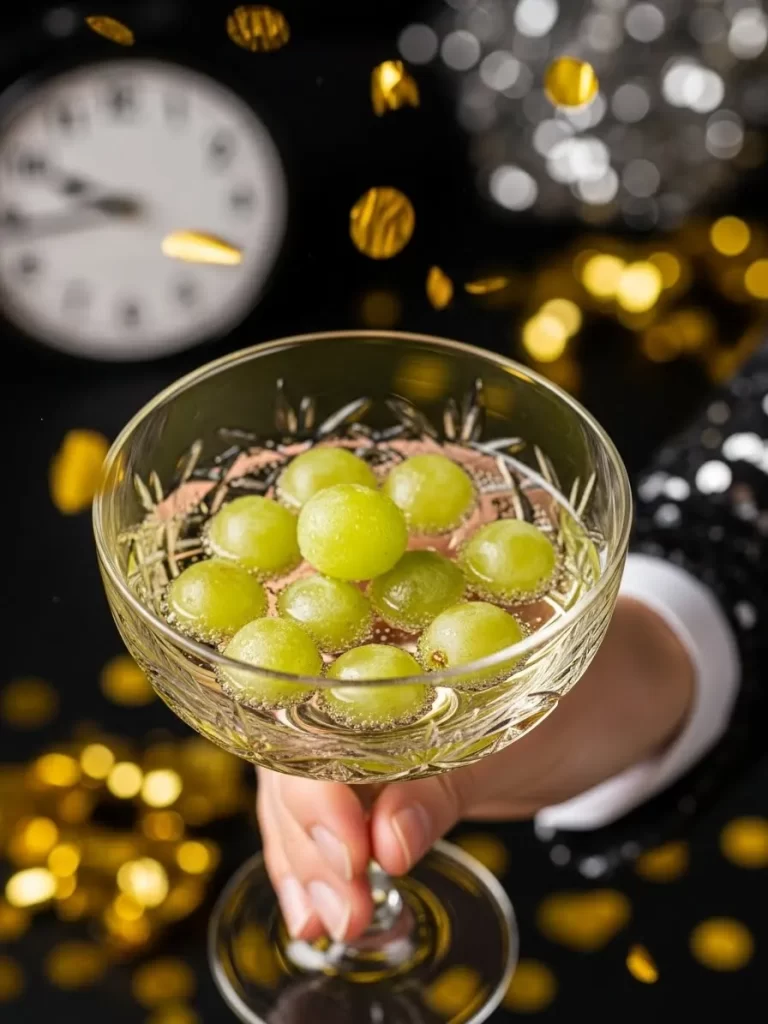
A crystal glass is filled with twelve round green grapes floating in bubbly cava. Bright gold confetti falls through the air like shimmering rain. A blurry clock in the background shows the time is nearly midnight.
People in Spain eat one grape for every chime of the clock at the start of the year. Each grape represents a different month of the coming year. Finishing all twelve before the chimes stop ensures a lucky future.
The hand holds the glass firmly as the celebration begins. Golden light reflects off the bubbles and the sequins on a dark sleeve. This tradition is a fast and fun way to welcome the new year with friends.
Ingredients Required
12 fresh green grapes per person
1 bottle of chilled cava or sparkling cider
Gold sugar for the glass rim optional
Equipment Needed
Champagne flutes or xcoupe glasses
Small bowl for washing fruit
Bottle opener
DIY Instructions
Choose grapes that are small and firm so they are easy to eat quickly.
Wash the grapes thoroughly under cold water and pat them dry with a towel.
Pull the grapes off their stems and place them in a small bowl.
If the grapes have seeds you may want to cut a tiny slit and remove them first.
Place exactly twelve grapes into a tall glass for each guest.
Open the chilled bottle of cava or cider carefully.
Pour the bubbly liquid over the grapes until the glass is nearly full.
Hand out the glasses a few minutes before the clock reaches midnight.
Instruct your guests to eat one grape every time the clock strikes or every few seconds.
Try to finish the last grape exactly at the start of the first minute of the year.
Drink the rest of the cava to toast to a wonderful year ahead.
6. Traditional Japanese Osechi Ryori
Traditional New Year’s Recipes
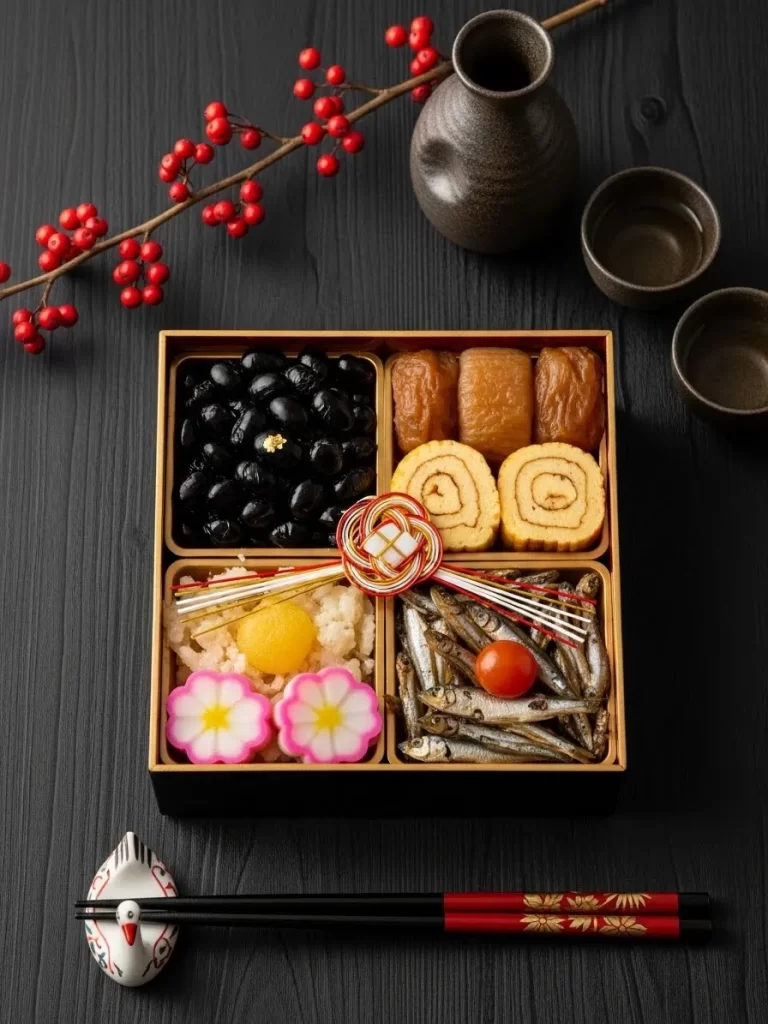
A square black bento box is divided into four neat sections of colorful food. Glossy black soybeans topped with a tiny gold leaf sit in one corner. Sweet rolled omelets and simmered sardines fill the other spaces.
A small orange yolk sits on a bed of white rice next to pink flower shaped fish cakes. A decorative red and white cord is tied in the center for a festive touch. A branch of red berries and a bottle of sake rest on the dark wood table.
Each small bite in the box has a specific meaning for health or wealth. These dishes are prepared in advance so no cooking is needed on New Year day. The arrangement is as beautiful as a painting.
Ingredients Required
1 cup dried black soybeans kuromame
4 large eggs
2 tablespoons honey
1/2 pound small dried sardines tazukuri
2 tablespoons soy sauce
2 tablespoons toasted sesame seeds
1 block kamaboko fish cake pink and white
1 cup cooked white rice
1 piece gold leaf for garnish optional
Equipment Needed
Square bento box with dividers
Small saucepan
Rectangular omelet pan or non stick skillet
Cutting board
Sharp knife
DIY Instructions
Soak the black soybeans in water overnight then simmer them with sugar and soy sauce for three hours until tender.
Whisk the eggs with honey and a splash of soy sauce in a bowl.
Pour a thin layer of egg into a warm pan and roll it up as it cooks to make a log.
Slice the egg log into rounds to show the spiral pattern inside.
Toast the dried sardines in a dry pan over low heat until they feel crunchy.
Coat the sardines in a mixture of soy sauce and sugar then sprinkle with sesame seeds.
Slice the pink and white fish cake into thin half moons or use a cutter to make flower shapes.
Place the cooked rice in one section of the bento box and top it with a cooked egg yolk.
Arrange the black beans in another section and place a tiny bit of gold leaf on top.
Nestles the sardines and the egg rolls into the remaining sections of the box.
Add the flower fish cakes as a garnish on top of the rice.
Cover the box and let the flavors meld together before serving at room temperature.
7. Norwegian Kransekake
Traditional New Year’s Recipes
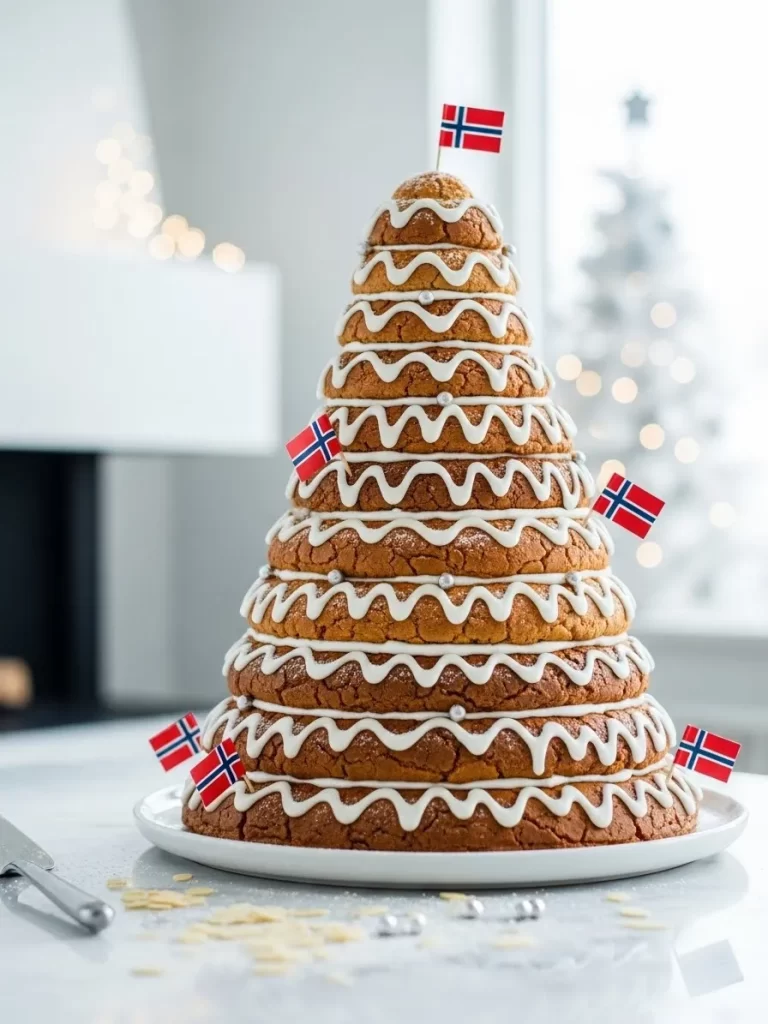
A tall tower made of eighteen concentric cookie rings stands on a white platter. Each ring is decorated with a wavy pattern of white royal icing. Small Norwegian flags are tucked into the sides of the almond cake.
Silver pearls sit on the icing to give the dessert a royal appearance. This cake is the centerpiece for weddings and big holidays like New Year. The rings are stacked from largest to smallest to form a perfect cone.
The background shows a cozy room with a glowing fireplace and a white tree. Light filters through the window and hits the smooth surface of the table. This chewy and sweet treat is a favorite for celebrations.
Ingredients Required
4 cups almond flour
4 cups powdered sugar
3 egg whites
2 teaspoons almond extract
2 cups extra powdered sugar for icing
1 egg white for icing
Silver candy pearls for decoration
Equipment Needed
Kransekake ring molds
Large mixing bowl
Piping bag with a small round tip
Cooling rack
Small flags for garnish
DIY Instructions
Mix the almond flour and 4 cups of powdered sugar together in a large bowl.
Add 3 egg whites and the almond extract to the dry mix.
Knead the mixture with your hands until it becomes a stiff and smooth dough.
Wrap the dough in plastic and let it rest in the fridge for two hours.
Heat your oven to 300 degrees Fahrenheit.
Roll the dough into long ropes about the thickness of a finger.
Place the ropes into the greased kransekake molds to form circles.
Bake the rings for 15 to 20 minutes until they are a light golden color.
Let the rings cool completely on a wire rack so they become firm.
Mix the extra powdered sugar with one egg white to make a thick icing.
Put the icing in a piping bag and make a wavy pattern on each ring.
Stack the rings on a plate starting with the largest ring on the bottom.
Place silver pearls on the wet icing as you go up the tower.
Put the smallest ring on top to finish the point.
Decorate the sides with small flags to celebrate the holiday.
8. Pomegranate Seeds for Fertility
Traditional New Year’s Recipes
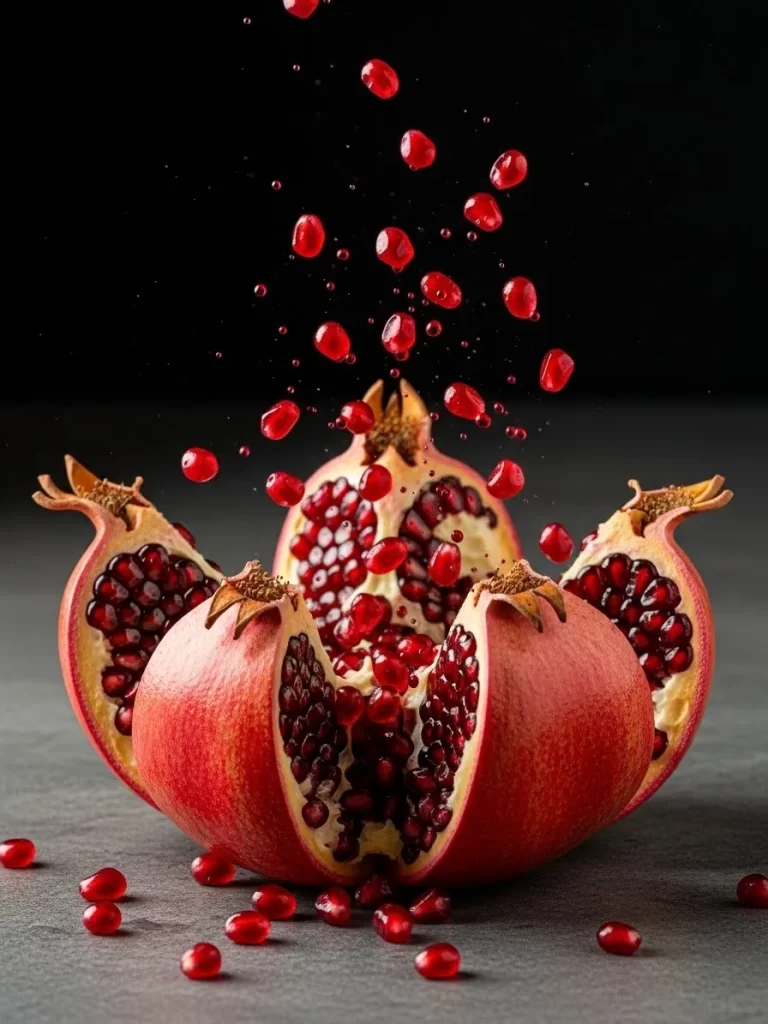
A bright red pomegranate is pulled open to reveal hundreds of shiny seeds inside. Some of the seeds are frozen in mid air as they fly upward against a black background. Tiny droplets of juice splash around the fruit.
The deep red color and many seeds symbolize life and abundance in the new year. People in Greece smash a pomegranate on their doorstep for good luck. The more seeds that spill out the better the year will be.
The fruit sits on a dark stone surface that makes the red color pop. The light captures the sparkle of the juice like tiny rubies. This simple fruit carries ancient meanings for a successful future.
Ingredients Required
2 large ripe pomegranates
Chilled water for a bowl
Equipment Needed
Large bowl
Wooden spoon
Sharp knife
Serving dish
DIY Instructions
Cut the crown off the top of the pomegranate with a sharp knife.
Use the knife to score the skin of the fruit from top to bottom in four places.
Pull the fruit apart gently with your hands to open the sections.
Fill a large bowl with cold water.
Hold a section of the pomegranate under the water and use your thumbs to pop the seeds out.
The white pith will float to the top while the heavy seeds will sink to the bottom.
Scoop out and throw away the white pith pieces from the water.
Pour the water and seeds through a strainer to catch the fruit.
Alternatively you can hold a pomegranate half over a bowl with the seeds facing down.
Hit the back of the fruit firmly with a wooden spoon to knock the seeds into the bowl.
Pick out any small white bits that fell in with the seeds.
Serve the seeds in a small glass bowl for people to snack on.
You can also sprinkle them over salad or desserts for a festive look.
9. Vietnamese Banh Chung
Traditional New Year’s Recipes
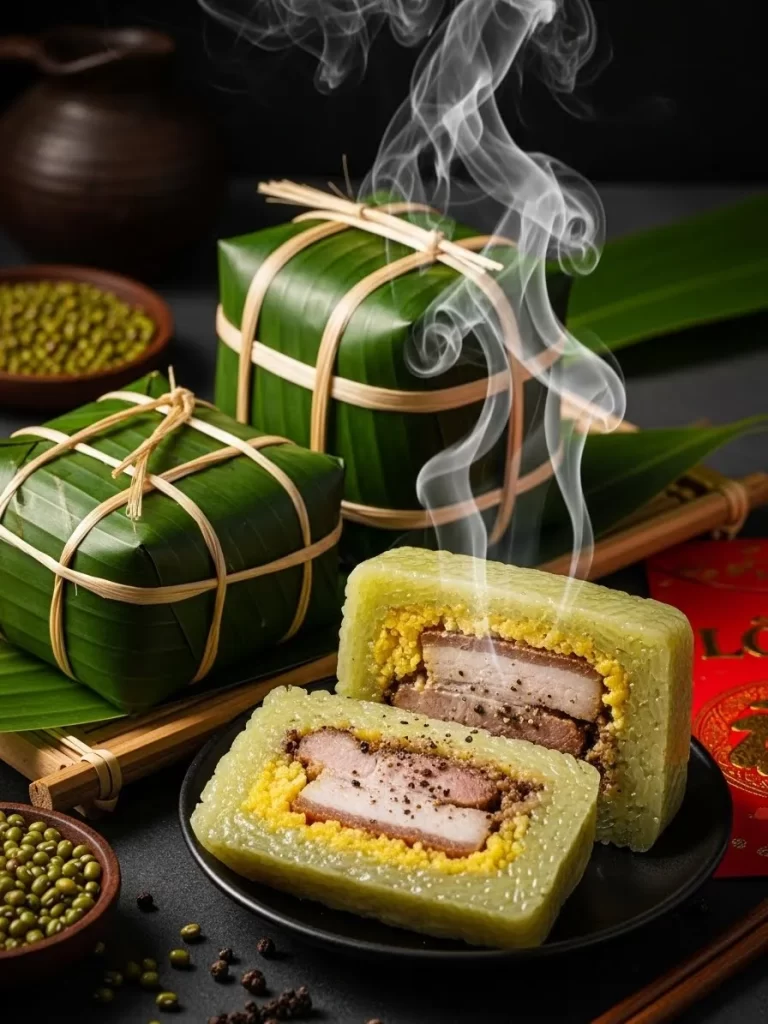
Two square cakes wrapped in dark green banana leaves are tied tightly with bamboo strings. A third cake is sliced open to show layers of sticky rice and yellow mung beans. Thick pieces of pork belly sit in the very center of the rice.
Steam rises from the fresh cake on a black plate. Small bowls of green mung beans and black peppercorns sit on the table nearby. This dish is the most important food for the Tet holiday in Vietnam.
A red envelope for luck rests on the table next to the bamboo ties. The green color of the leaves stays on the rice after cooking for many hours. This meal brings the family together to honor their ancestors.
Ingredients Required
4 cups glutinous sticky rice
1 pound pork belly cut into thick strips
2 cups dried split mung beans
1 tablespoon black pepper
1 tablespoon salt
Large banana leaves washed
Bamboo strings or kitchen twine
Equipment Needed
Large pot for boiling
Square wooden mold or deep dish
Large bowl for soaking
Scissors
DIY Instructions
Soak the sticky rice in water for at least eight hours then drain it.
Soak the mung beans for four hours then steam them until they are soft.
Mash the steamed mung beans into a thick paste and add a little salt.
Season the pork belly strips with plenty of black pepper and salt.
Line a square mold with two layers of banana leaves making sure the corners are covered.
Pour two cups of the soaked rice into the bottom of the mold and level it.
Spread a layer of the mung bean paste over the rice.
Place the pork belly strips in the middle of the bean layer.
Cover the meat with more mung bean paste.
Add the rest of the rice on top to hide the filling completely.
Fold the banana leaves over the top and tie the cake firmly with bamboo strings.
Place the cakes in a large pot and cover them with water.
Boil the cakes for ten to twelve hours and keep adding water so they stay covered.
Remove the cakes and press them under a heavy weight for several hours to make them firm.
Peel off the leaves and slice the cake into wedges to serve.
10. Korean Tteokguk Soup
Traditional New Year’s Recipes
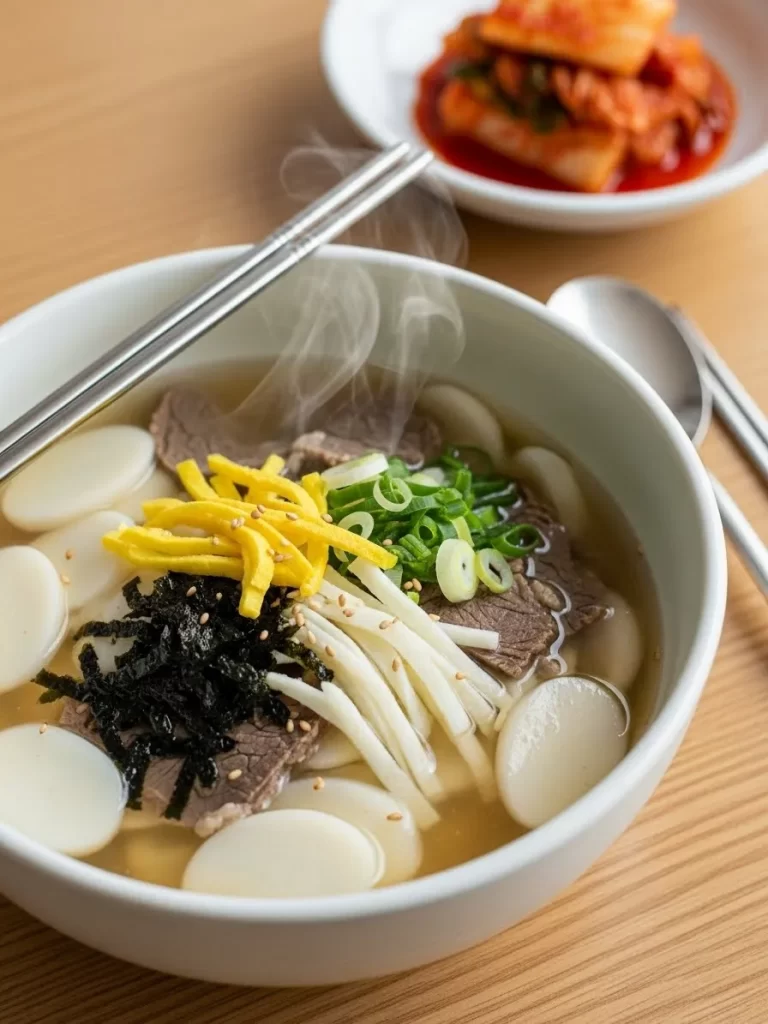
A white ceramic bowl holds a steaming soup filled with oval slices of white rice cakes. Thin strips of cooked beef and yellow egg garnish sit on top. Shredded dried seaweed and green onions add texture to the surface.
Metal chopsticks and a spoon rest on the wooden table next to the bowl. A small dish of spicy red kimchi sits in the background to provide a sharp contrast. Eating this soup is how people celebrate getting one year older on New Year day.
The clear broth has a rich and savory smell from the slow cooked beef. The white color of the rice cakes represents a clean start for the year. This meal is a comforting tradition for families to share together.
Ingredients Required
1 pound sliced Korean rice cakes tteok
6 cups beef brisket broth
1/2 pound beef brisket thinly sliced
2 eggs
1 stalk green onion sliced
1 sheet dried seaweed gim
1 tablespoon soy sauce
1 teaspoon minced garlic
Salt to taste
Equipment Needed
Large soup pot
Small non stick frying pan
Chef knife
Ladle
Soup bowls
DIY Instructions
Soak the frozen rice cakes in a bowl of cold water for 20 minutes to soften them.
Bring the beef broth to a boil in a large pot on the stove.
Add the thinly sliced beef and minced garlic to the boiling broth.
Lower the heat and let the meat simmer for ten minutes.
Separate the egg yolks from the whites in two small bowls.
Fry the yolks and whites separately into very thin sheets in a pan.
Slice the egg sheets into thin ribbons for the garnish.
Add the drained rice cakes to the pot of boiling broth.
Cook the rice cakes for about 5 to 8 minutes until they float to the top.
Stir in the soy sauce and a pinch of salt to season the soup.
Ladle the hot soup and rice cakes into deep white bowls.
Top each bowl with the egg ribbons and sliced green onions.
Use scissors to cut the dried seaweed into small strips and sprinkle them on top.
Serve the soup while it is hot with a side of cold kimchi.
11. Dutch Oliebollen
Traditional New Year’s Recipes
Golden brown dough balls pile high on a ceramic plate. Dustings of white powdered sugar fall like fresh snow over the crispy surfaces. Dark raisins peek through the fried crust and offer a hint of sweetness in every bite.
Sparkling lights glow in the dark background to create a festive mood. The warm sugar creates a light mist as it settles on the table. These traditional Dutch donuts are a staple for New Year celebrations in the Netherlands.
Friends gather around to share these treats as the clock ticks toward midnight. The smell of hot oil and sweet dough fills the air. Every bite brings a sense of comfort and joy for the coming season.
Ingredients Required
4 cups all purpose flour
2 cups lukewarm milk
1 packet active dry yeast
2 tablespoons white sugar
1 teaspoon salt
1 large egg
1 cup raisins or currants
Vegetable oil for deep frying
Powdered sugar for dusting
Equipment Needed
Large mixing bowl
Deep fryer or heavy pot
Slotted spoon
Measuring cups and spoons
Whisk
Paper towels
DIY Instructions
Whisk the lukewarm milk and sugar in a small bowl until the sugar dissolves.
Sprinkle the yeast over the milk and let it sit for ten minutes until it looks foamy.
Combine the flour and salt in a large mixing bowl.
Pour the yeast mixture and the beaten egg into the flour.
Mix the dough with a whisk or wooden spoon until it is smooth and sticky.
Stir in the raisins so they are spread evenly throughout the batter.
Cover the bowl with a warm damp cloth and let the dough rise for one hour.
Heat several inches of vegetable oil in a deep pot to 350 degrees.
Use two spoons to scoop small balls of dough into the hot oil.
Fry the dough balls for about 5 to 6 minutes while turning them occasionally.
Remove the golden oliebollen with a slotted spoon and drain them on paper towels.
Pile the warm donuts on a plate while they are still hot.
Use a sifter to cover the entire pile with a thick layer of powdered sugar.
12. German Sauerkraut and Pork
Traditional New Year’s Recipes
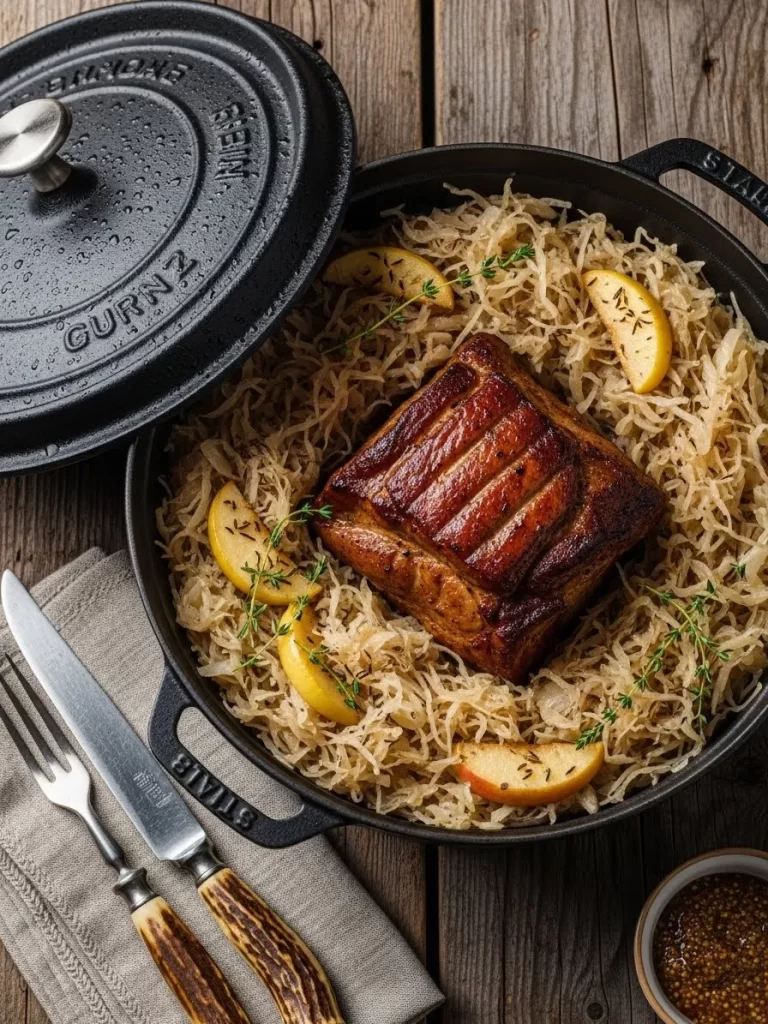
A thick piece of roasted pork belly sits in the center of a black cast iron pan. The meat has deep scores on the top and looks juicy and tender. Long strands of pale sauerkraut surround the pork and soak up the rich drippings.
Slices of yellow apple and fresh thyme sprigs add color to the rustic dish. A sharp knife and fork rest on a linen napkin next to the heavy pot. This meal is a German tradition for luck and blessings in the new year.
The tart cabbage balances the rich fat from the roasted meat. Caraway seeds are scattered through the greens for an earthy flavor. Families serve this dish to ensure their cupboards stay full all year long.
Ingredients Required
3 pounds pork roast or pork belly
2 pounds fresh sauerkraut drained
2 large apples sliced
1 large onion thinly sliced
1 cup apple juice or white wine
2 tablespoons brown sugar
1 teaspoon caraway seeds
4 sprigs fresh thyme
Salt and black pepper to taste
Equipment Needed
Large Dutch oven or cast iron skillet
Sharp carving knife
Cutting board
Wooden spoon
Measuring cups
DIY Instructions
Heat your oven to 325 degrees Fahrenheit before you begin the prep.
Use a sharp knife to cut shallow lines into the top of the pork skin.
Rub a generous amount of salt and black pepper into the meat.
Place the pork in the center of your large pan or Dutch oven.
Surround the meat with the drained sauerkraut and sliced onions.
Tuck the apple slices and thyme sprigs into the cabbage mixture.
Sprinkle the brown sugar and caraway seeds over the sauerkraut.
Pour the apple juice into the bottom of the pan but do not pour it over the meat.
Cover the pot with a lid and bake it for two hours.
Remove the lid and increase the oven heat to 400 degrees.
Bake for another 20 minutes to make the pork skin crispy and golden.
Take the pan out of the oven and let the meat rest for ten minutes.
Slice the pork and serve it hot with a large scoop of the tangy cabbage.
13. Fenugreek and Sesame Tea
Traditional New Year’s Recipes
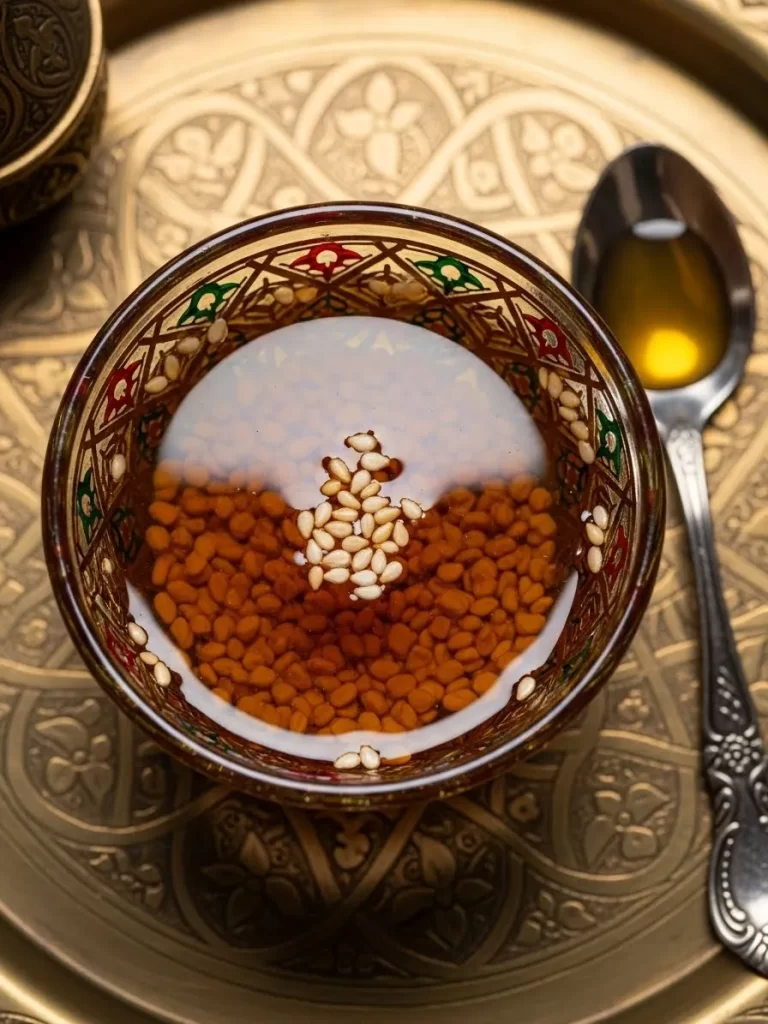
Small brown fenugreek seeds settle at the bottom of a glass of amber tea. A cluster of white sesame seeds floats in the center of the liquid. The glass features beautiful red and green patterns with gold trim.
A silver spoon holds a drop of golden honey over a matching decorative tray. The light passes through the clear tea and creates a warm glow on the metal. This drink is often enjoyed for health and vitality during winter holidays.
The tea has a unique nutty aroma that calms the senses. It is a traditional beverage in many cultures to celebrate new beginnings. Each sip offers a mild sweetness and a boost for the body.
Ingredients Required
2 tablespoons whole fenugreek seeds
1 tablespoon toasted sesame seeds
3 cups water
2 tablespoons honey or to taste
1 cinnamon stick optional
Equipment Needed
Small saucepan
Fine mesh strainer
Decorative tea glasses
Small spoon
DIY Instructions
Place the whole fenugreek seeds in a small saucepan with three cups of water.
Add a cinnamon stick if you want a warmer spicy flavor.
Bring the water to a boil over medium heat on your stove.
Turn the heat down to low and let the seeds simmer for ten minutes.
The water will turn a deep amber color and smell like maple syrup.
Strain the tea through a fine mesh sieve into your decorative glasses.
Discard the boiled seeds or keep them for another use.
Stir a spoonful of honey into each glass while the liquid is hot.
Sprinkle the toasted sesame seeds over the top of the tea right before serving.
Serve the tea warm to your guests as a healthy holiday treat.
14. Indian Dal Makhani
Traditional New Year’s Recipes
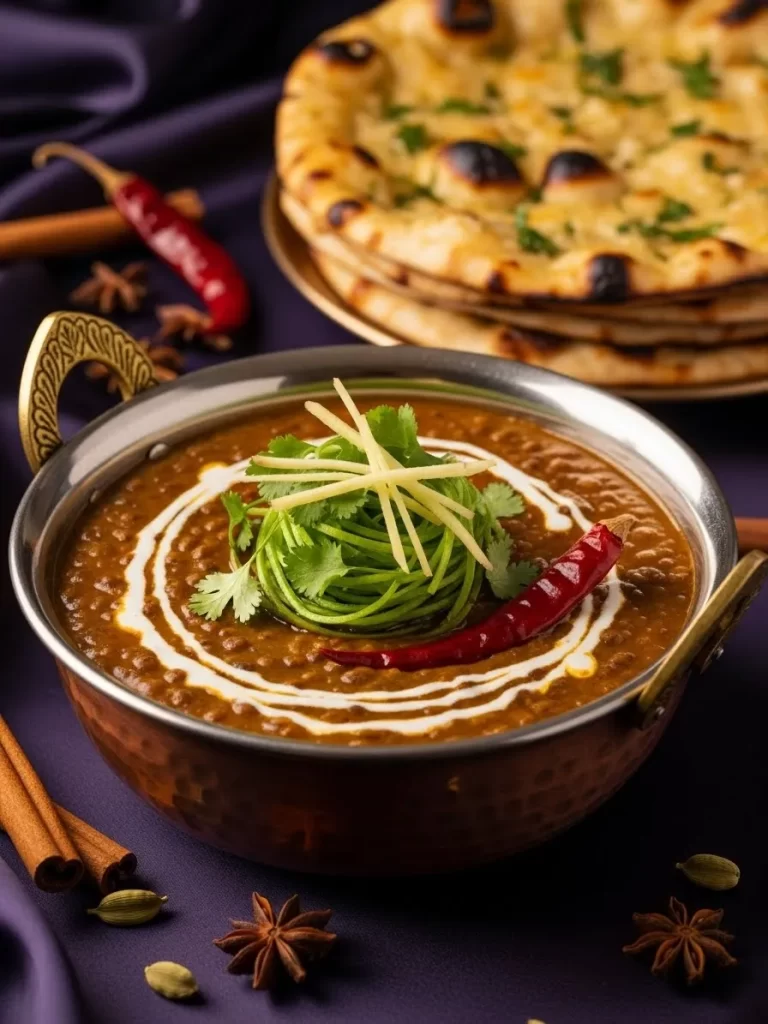
A copper bowl is filled with creamy dark lentils topped with fresh ginger and cilantro. A swirl of white cream decorates the surface of the thick stew. A bright red chili pepper sits on the edge to suggest a spicy kick.
Warm pieces of garlic naan bread are stacked in the background on a dark cloth. Star anise and cinnamon sticks are scattered around the table near the bowl. This rich dish is a staple for celebrations and special family gatherings.
The lentils are slow cooked until they are buttery and soft. The aroma of roasted spices fills the room and invites everyone to the table. This meal represents prosperity and the sharing of good food with loved ones.
Ingredients Required
1 cup whole black lentils urad dal
1/4 cup kidney beans rajma
3 tablespoons butter
1/2 cup heavy cream
2 large tomatoes pureed
1 onion finely chopped
1 tablespoon ginger garlic paste
1 teaspoon cumin seeds
1 teaspoon garam masala
Fresh cilantro and ginger strips for garnish
Equipment Needed
Pressure cooker or large heavy pot
Small skillet
Wooden spoon
Measuring spoons
DIY Instructions
Soak the black lentils and kidney beans in water overnight to soften them.
Drain the water and place the beans in a pressure cooker with four cups of water.
Cook until the lentils are very soft and can be mashed with a spoon.
Heat the butter in a separate skillet over medium heat.
Add the cumin seeds and let them sizzle for a few seconds.
Sauté the onions in the butter until they turn a dark golden brown.
Stir in the ginger garlic paste and cook for one more minute.
Pour in the tomato puree and cook until the oil starts to separate from the sauce.
Add the cooked lentils and beans to the skillet with a little bit of their cooking water.
Simmer the mixture on low heat for 30 minutes while stirring often.
Pour in the heavy cream and sprinkle the garam masala over the top.
Stir well and let it cook for five more minutes to get a thick texture.
Garnish with fresh cilantro and thin strips of raw ginger before serving with naan.
15. Caribbean Peas and Rice
Traditional New Year’s Recipes
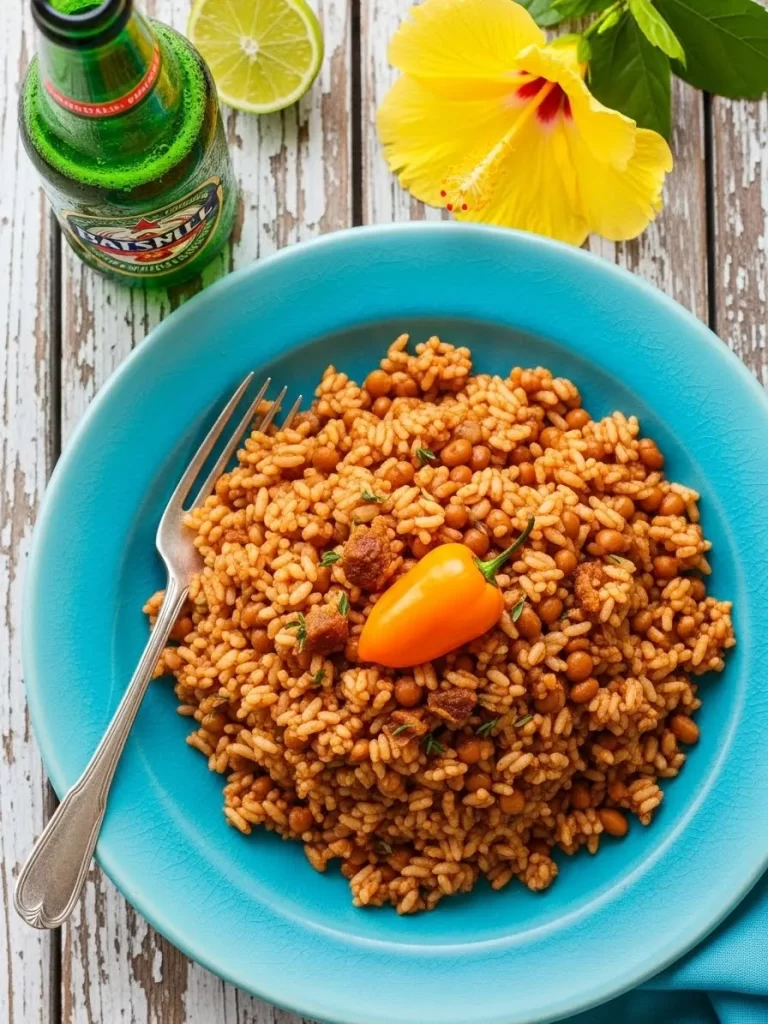
A bright blue plate holds a large mound of savory brown rice and pigeon peas. Tiny pieces of seasoned meat are mixed into the grains for extra flavor. A small orange pepper sits on top of the food next to a silver fork.
A green glass bottle and a fresh yellow flower decorate the weathered wooden table. The sun shines on the meal and highlights the fluffy texture of the rice. This dish is a classic part of New Year celebrations in the Caribbean islands.
The rice is cooked with coconut milk and spices for a rich tropical taste. Every island has its own special way to prepare this lucky meal. It brings a sense of sunshine and hope to the start of the year.
Ingredients Required
2 cups long grain rice
1 can pigeon peas drained
1 cup coconut milk
2 cups chicken broth
1 small onion diced
2 cloves garlic minced
1 tablespoon fresh thyme leaves
1 whole habanero or scotch bonnet pepper
2 tablespoons vegetable oil
Salt to taste
Equipment Needed
Medium pot with a tight lid
Wooden spoon
Measuring cups
Cutting board
DIY Instructions
Heat the vegetable oil in a medium pot over medium heat.
Add the diced onion and garlic and cook until they smell fragrant.
Stir in the pigeon peas and the fresh thyme leaves.
Pour the rice into the pot and stir it for two minutes to toast the grains.
Add the coconut milk and the chicken broth to the rice mixture.
Place the whole orange pepper on top of the liquid but do not cut it.
Bring the liquid to a boil and then lower the heat to the lowest setting.
Cover the pot tightly with a lid and do not open it.
Let the rice simmer for 18 to 20 minutes until the liquid is gone.
Turn off the heat and let the pot sit for five minutes with the lid on.
Remove the whole pepper carefully so it does not burst and release too much heat.
Fluff the rice gently with a fork to mix the peas evenly.
Serve the rice on a bright plate as a lucky side dish or a main meal.
16. British Christmas Pudding
Traditional New Year’s Recipes
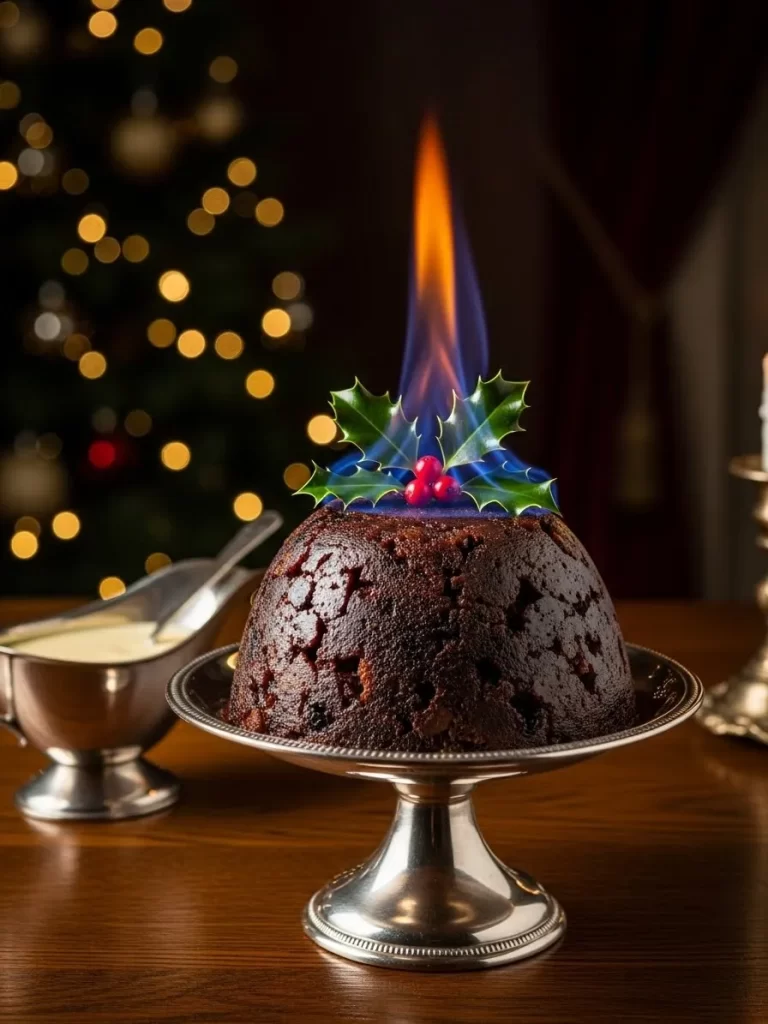
A dark round pudding sits on a silver pedestal stand in a dim room. A bright blue and orange flame dances on the top of the fruit cake. A sprig of green holly with red berries sits safely above the fire.
A silver bowl of thick brandy cream rests nearby on the polished wood table. A decorated tree with soft lights glows in the background. This dessert is a traditional way to end the holiday season with a spectacular show.
The pudding is filled with dried fruits and warm spices like cinnamon. It is often made weeks in advance to let the flavors become deep and rich. Lighting the pudding is a moment of excitement for the whole family.
Ingredients Required
1 cup raisins
1 cup currants
1 cup breadcrumbs
1 cup brown sugar
1/2 cup shredded suet or cold grated butter
2 large eggs
1/4 cup brandy
1 teaspoon ground cinnamon
1/2 teaspoon ground nutmeg
Extra brandy for lighting the fire
Equipment Needed
Large pudding bowl or mold
Large pot for steaming
Mixing bowl
Aluminum foil
Long match or lighter
DIY Instructions
Mix all the dried fruits, breadcrumbs, and spices in a large bowl.
Stir in the brown sugar and the shredded suet or grated butter.
Whisk the eggs and 1/4 cup of brandy together in a separate small dish.
Combine the wet and dry ingredients and stir until you have a thick dark paste.
Grease your pudding mold with butter and pour the mixture inside.
Cover the top of the mold with a piece of parchment paper and then a layer of foil.
Tie a string around the foil to keep it tight so no steam gets in.
Place a small plate at the bottom of a large pot and set the mold on top of it.
Fill the pot with water until it reaches halfway up the side of the mold.
Simmer the water on low heat for six hours and add more water if it gets low.
Remove the mold and let the pudding cool completely before storing it.
On New Year day steam the pudding again for one hour to warm it up.
Turn the pudding onto a silver plate and place a sprig of holly on top.
Warm a little brandy in a spoon and light it with a match.
Pour the flaming liquid over the pudding just before you walk into the dining room.
17. Apples and Honey for Sweetness
Traditional New Year’s Recipes
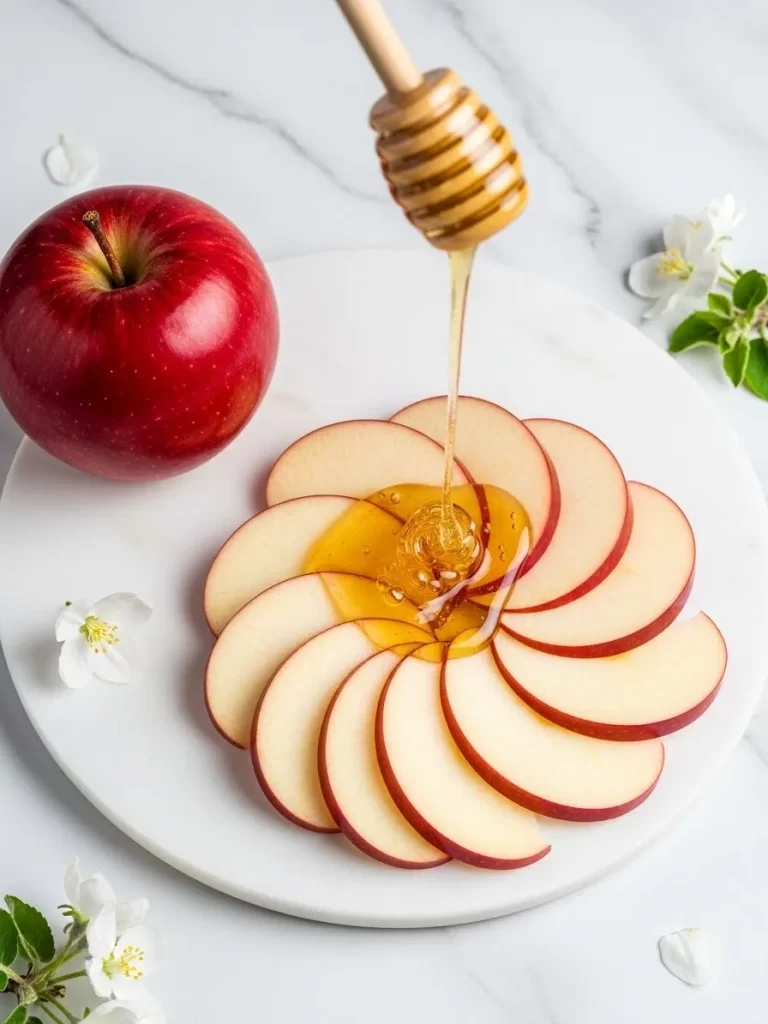
Slices of crisp red apples are arranged in a beautiful flower shape on a white marble plate. A wooden honey dipper pours a thick stream of golden honey over the center. One whole red apple sits in the corner next to tiny white blossoms.
The honey pools in the middle of the apple slices and looks like liquid gold. This simple snack is a tradition used to wish for a sweet and happy new year. The bright red skin of the fruit contrasts perfectly with the white marble.
Light reflections dance on the sticky surface of the honey. This dish is easy to prepare and share with many people. It represents a hope that the coming months will be full of kindness and joy.
Ingredients Required
3 large red apples like Fuji or Gala
1/2 cup local honey
1 lemon for juice
Fresh edible flowers for garnish optional
Equipment Needed
Sharp knife
Cutting board
Large round plate
Honey dipper
DIY Instructions
Fill a small bowl with cold water and squeeze the juice of one lemon into it.
Cut the apples into thin even slices from top to bottom.
Dip each slice into the lemon water for a few seconds to keep them from turning brown.
Pat the apple slices dry with a clean paper towel.
Start at the outer edge of your plate and lay the slices in a circle.
Overlap the slices slightly as you move toward the middle of the plate.
Keep adding circles of apple until the entire plate looks like a big flower.
Place a whole apple or a small bowl in the very center if you like.
Dip your wooden dipper into a jar of honey and pull it out slowly.
Drizzle the honey in a spiral pattern starting from the center of the apple flower.
Add a few small white flowers around the edges for a fancy look.
Serve this immediately so the apples stay crunchy and fresh.
18. Mandarin Oranges for Wealth
Traditional New Year’s Recipes
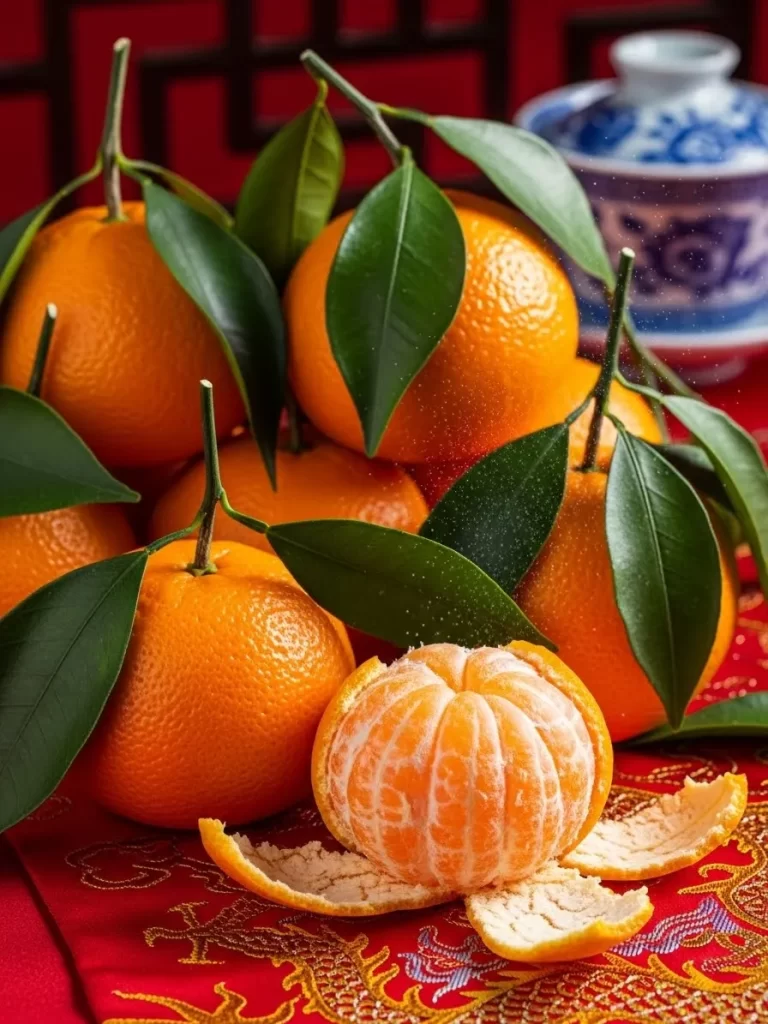
A pile of bright orange mandarins sits on a red silk cloth decorated with gold dragons. One fruit is partially peeled to show the juicy segments inside. Green leaves are still attached to the stems of the fresh oranges.
A blue and white tea cup sits in the background near a red wall. These fruits are a symbol of luck and gold in Chinese culture. Sharing them during the new year brings prosperity to the giver and the receiver.
The citrus scent is fresh and energizing for a holiday party. The round shape of the fruit represents the cycle of life and togetherness. This simple gift is a powerful way to wish someone a wealthy future.
Ingredients Required
10 to 12 fresh mandarin oranges with leaves attached
Red silk ribbon for decoration
Equipment Needed
Decorative bowl or tray
Scissors
DIY Instructions
Look for mandarin oranges that still have their green leaves and stems.
Wipe the skins with a soft cloth to make them look shiny and bright.
Place a red silk cloth or a large red plate on your dining table.
Pile the oranges in a pyramid shape to make a beautiful centerpiece.
Tuck a few extra green leaves into the gaps to add more color.
Peel one or two oranges halfway and pull the skin back to show the fruit.
Place the partially peeled oranges at the front of the pile.
Cut small pieces of red ribbon and tie them around the stems for a lucky touch.
Offer an orange to every guest who enters your home during the holiday.
Ensure you give the fruit with both hands as a sign of respect and friendship.
19. Quince Paste and Cheese
Traditional New Year’s Recipes
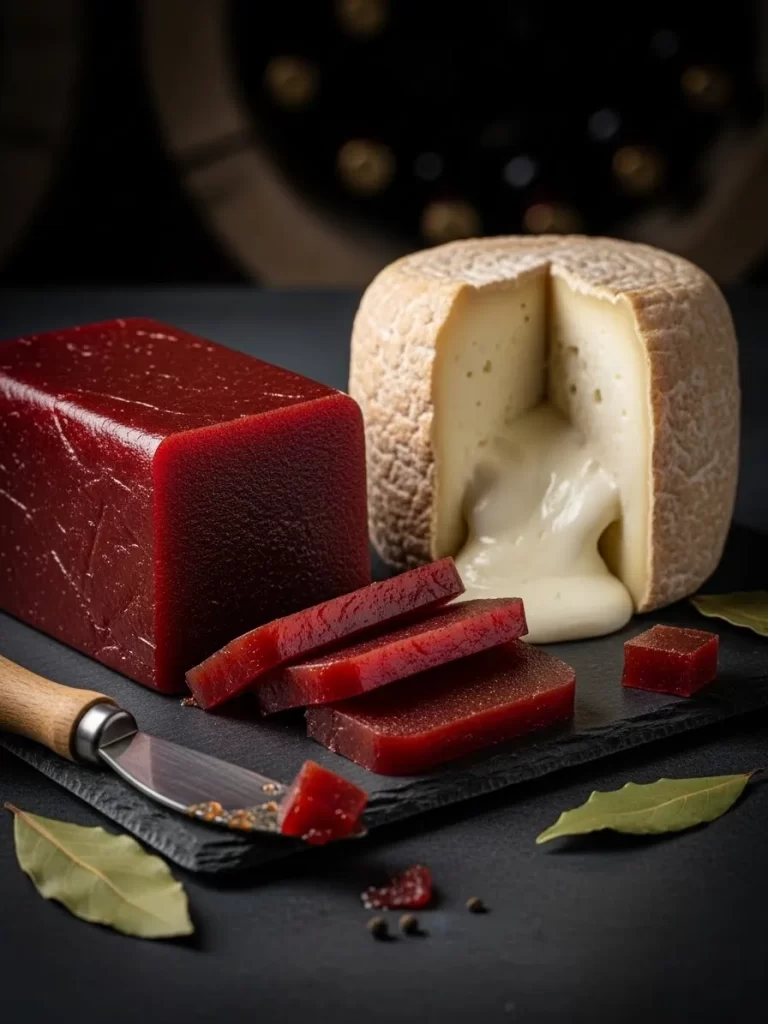
A deep red block of quince paste sits next to a round of creamy white cheese. Three thin slices of the fruit paste are layered in front of the block. A small silver knife rests on a black slate board with a few bay leaves.
The cheese has a soft center that drips slowly onto the stone surface. This combination of sweet and salty is a traditional treat in Spain and Portugal. The rich color of the paste looks like a dark jewel in the soft light.
This snack is often served after a big holiday meal with a glass of wine. The thick texture of the paste balances the smooth feel of the cheese. It is a simple way to celebrate with high quality ingredients.
Ingredients Required
1 block of dulce de membrillo quince paste
1 round of soft goat cheese or Manchego
1 box of plain crackers
Handful of walnuts
Equipment Needed
Slate or wooden serving board
Small cheese knife
Serving spoons
DIY Instructions
Take your cheese out of the fridge one hour before you want to serve it.
Place the round of cheese on one side of your serving board.
Remove the quince paste from its package and place the block on the other side.
Use a sharp knife to cut three or four thin rectangles of the red paste.
Fan the slices out in front of the block so they are easy to grab.
Cut a small wedge out of the cheese to show the soft texture inside.
Arrange a handful of plain crackers in the empty spaces on the board.
Scatter a few walnuts around the cheese for a nice crunch.
Place a small knife nearby so guests can help themselves.
Teach your guests to put a slice of paste on top of a piece of cheese for the best flavor.
20. Pineapple Tarts for Luck
Traditional New Year’s Recipes
Small golden tarts are filled with a mound of bright yellow pineapple jam. The pastry has a fluted edge and a buttery crumbly texture. One tart in the front has a bite taken out to show the sweet filling.
Star anise and cinnamon sticks sit on the wooden tray near the wire cooling rack. These tarts are a famous New Year treat in Southeast Asia to invite wealth into the home. The word for pineapple in some languages sounds like “fortune comes.”
The smell of baking pastry and sweet fruit fills the kitchen. Each tart is a bite sized piece of luck for your family. These are often kept in glass jars to share with everyone who visits.
Ingredients Required
2 cups all purpose flour
1 cup unsalted butter cold
2 egg yolks
1/2 teaspoon salt
1 can crushed pineapple 20 ounces
1/2 cup white sugar
1 cinnamon stick
Equipment Needed
Small tart molds or a cookie sheet
Large mixing bowl
Medium saucepan
Pastry cutter or fork
Cooling rack
DIY Instructions
Pour the crushed pineapple and sugar into a saucepan over medium heat.
Add the cinnamon stick and cook the mixture while stirring often.
Continue cooking for about 30 minutes until the liquid is gone and the jam is thick.
Remove the cinnamon stick and let the pineapple jam cool completely.
Mix the flour and salt in a large bowl.
Cut the cold butter into small cubes and mix it into the flour with a fork.
The mixture should look like coarse breadcrumbs.
Stir in the egg yolks and mix until a soft dough forms.
Wrap the dough in plastic and let it rest in the fridge for 30 minutes.
Heat your oven to 350 degrees Fahrenheit.
Roll small balls of dough and press them into your tart molds.
Scoop a small spoonful of the pineapple jam into the center of each tart.
Bake the tarts for 15 to 18 minutes until the pastry is a light golden color.
Let the tarts cool on a wire rack before you put them in a serving jar.
21. Steamed Whole Fish
Traditional New Year’s Recipes
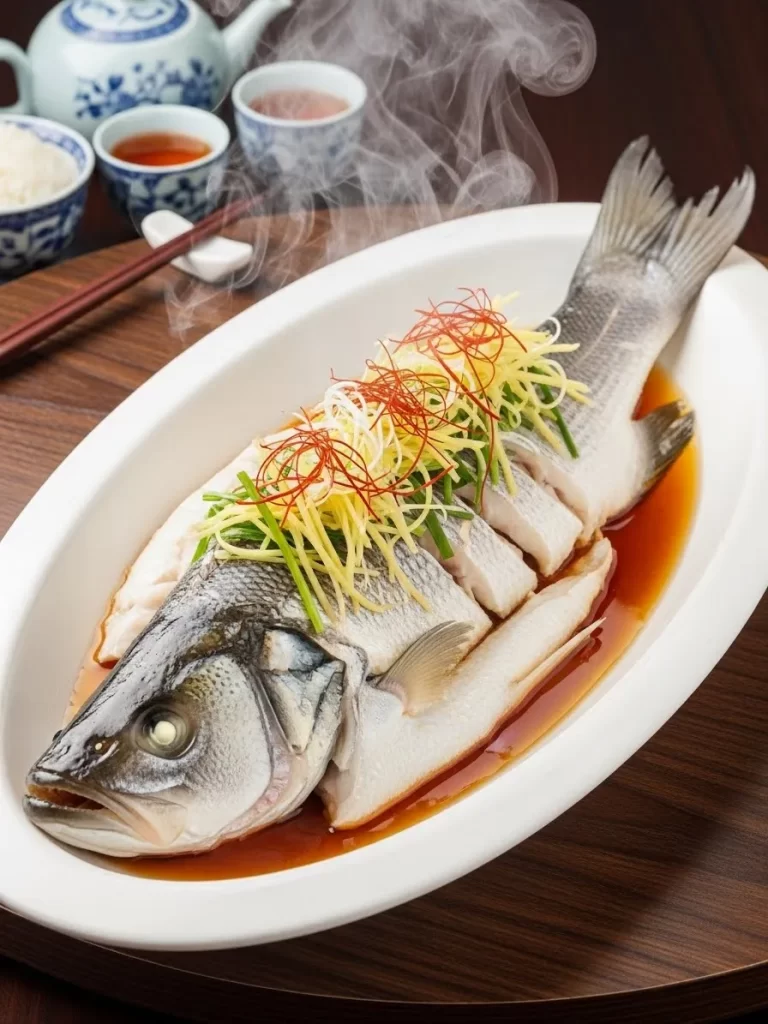
A silver fish rests on a white platter bathed in a light amber soy sauce. Shredded ginger and bright green onions sit in a neat pile along the spine. Thin red chili threads add a sharp contrast to the soft white flesh of the seafood.
Steam rises from the dish to signal it just left the kitchen. A blue and white tea set sits in the background on a dark wooden table. Serving a whole fish during the New Year represents a wish for abundance from the start to the end.
The clear eyes and firm scales show the high quality of the catch. This cooking style keeps the meat moist and tender. It is a healthy way to welcome wealth and luck into your home.
Ingredients Required
1 whole white fish like sea bass or snapper
3 tablespoons soy sauce
2 tablespoons rice wine
1 tablespoon sesame oil
2 inches fresh ginger sliced into matchsticks
3 stalks green onions shredded
1 red chili pepper thinly sliced
1/2 teaspoon sugar
Equipment Needed
Large steamer or wok with a rack
Heat proof oval platter
Chef knife
Cutting board
Small saucepan
DIY Instructions
Rinse the whole fish under cold water and pat it dry with paper towels.
Cut three shallow slits on both sides of the fish body to help it cook evenly.
Place the fish on a heat proof platter that fits inside your steamer.
Sprinkle half of the ginger matchsticks over the top and inside the fish.
Fill your steamer or wok with two inches of water and bring it to a boil.
Set the platter on the steamer rack and cover it with a tight lid.
Steam the fish for about 10 minutes until the meat looks opaque and flakes with a fork.
Mix the soy sauce, rice wine, sugar, and sesame oil in a small bowl while the fish cooks.
Take the platter out of the steamer carefully using oven mitts.
Pour the soy sauce mixture over the hot fish.
Pile the rest of the ginger, green onions, and red chili on top of the fish.
Heat two tablespoons of vegetable oil in a small pan until it is very hot.
Pour the hot oil over the green onions to release their flavor with a sizzle.
Serve the fish immediately with a bowl of steamed white rice.
22. Roasted Whole Suckling Pig
Traditional New Year’s Recipes
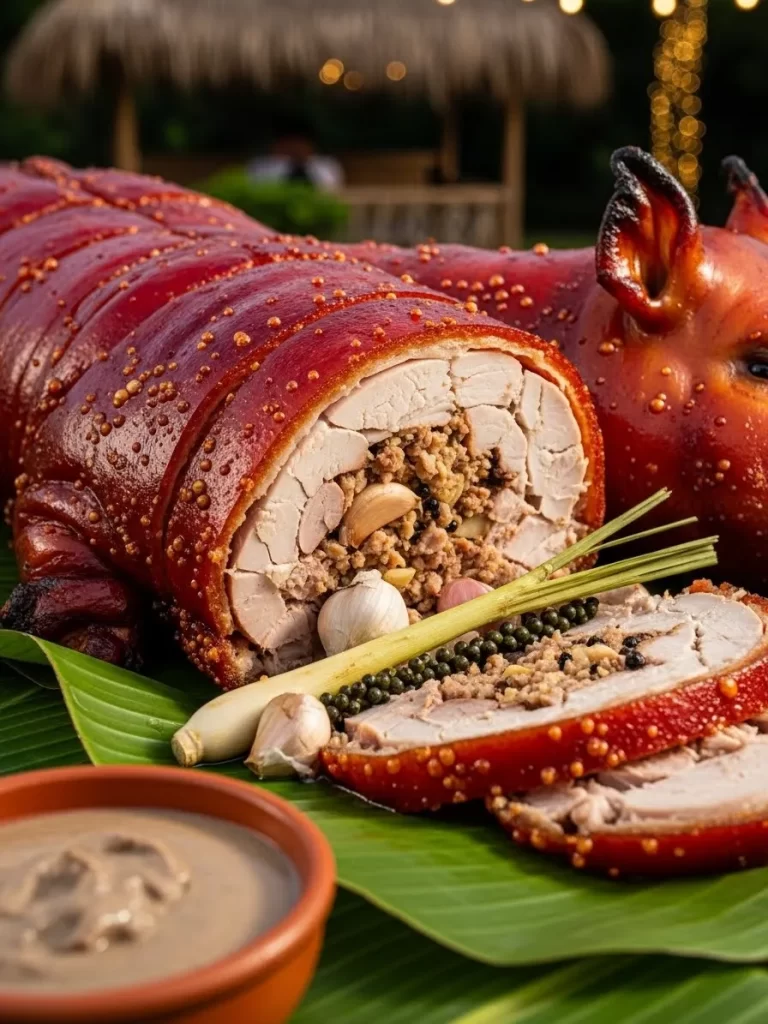
A glossy red piglet lies on a bed of green banana leaves. The skin is scored and looks incredibly crispy and thin. A cross section shows a rich stuffing of minced meat, garlic bulbs, and green peppercorns.
A small bowl of thick liver sauce sits in the front for dipping. The background shows a tropical hut with golden lights for a festive outdoor party. This dish is the ultimate symbol of a grand celebration in many cultures.
The meat is tender and falls away from the bone easily. Every part of the animal is used to show respect for the food. This centerpiece promises a year of great fortune and plenty for all guests.
Ingredients Required
1 small suckling pig about 10 to 12 pounds
5 pounds ground pork for stuffing
10 whole garlic bulbs
2 cups fresh green peppercorns
1/2 cup soy sauce
1/4 cup salt
1/4 cup vinegar
2 stalks lemongrass
Equipment Needed
Large roasting spit or commercial oven
Butcher twine
Large needle
Basting brush
Large serving tray
DIY Instructions
Clean the inside of the pig thoroughly and dry the skin with a cloth.
Rub the inside of the animal with salt and half of the soy sauce.
Mix the ground pork with the garlic bulbs and green peppercorns in a large tub.
Stuff the meat mixture into the belly of the pig until it is full.
Place the lemongrass stalks inside to add a citrus aroma.
Sew the belly shut using butcher twine and a large needle to keep the stuffing inside.
Mix the vinegar and the rest of the soy sauce in a bowl.
Brush this mixture over the entire outside of the pig skin.
Set the pig on a roasting spit or a large rack in a very large oven.
Roast the pig slowly at 300 degrees for about 4 hours.
Brush the skin with oil every hour to keep it from cracking.
Turn the heat up to 450 degrees for the last 20 minutes to make the skin bubble and get crispy.
Let the pig rest for 30 minutes before you slice into it.
Serve thick rounds of the stuffed meat with pieces of the crunchy skin.
23. Pickled Herring and Rye
Traditional New Year’s Recipes
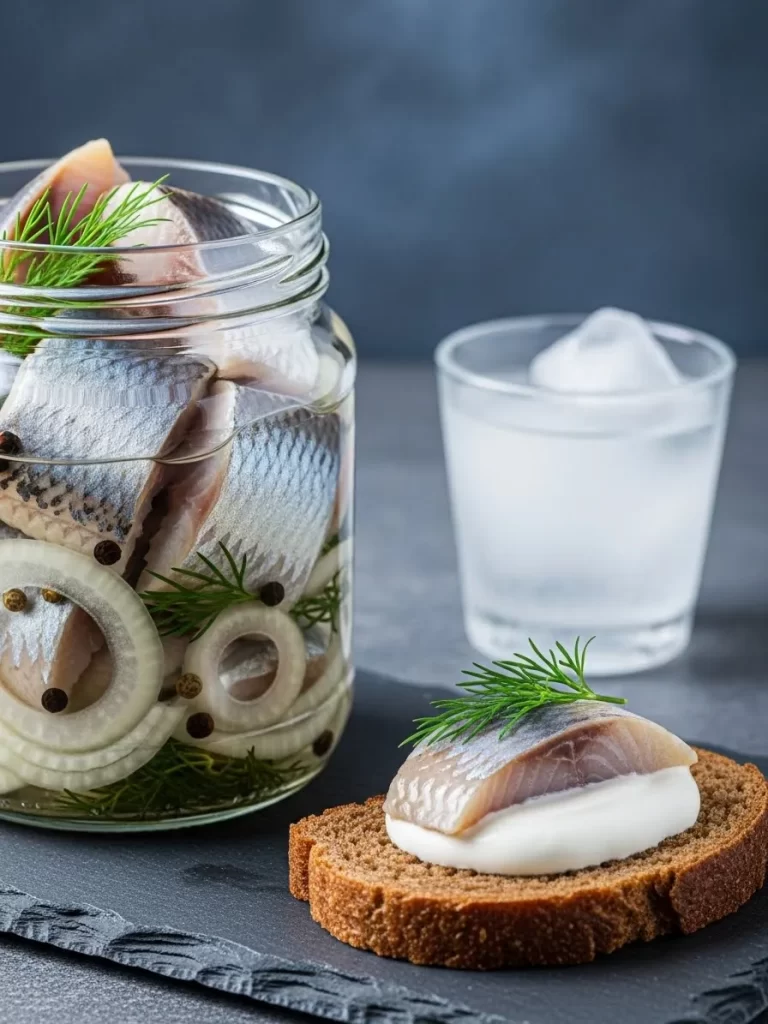
A glass jar is packed with silver fillets of pickled herring and white onion rings. Small black peppercorns and fresh green dill are scattered between the fish layers. A shot of ice cold vodka stands in the background to cut the saltiness.
A single piece of herring sits on a dark slice of rye bread topped with white cream. This food is a traditional New Year snack in Northern Europe and Scandinavia. Many believe the silver scales of the fish bring silver coins to your pocket.
The cold brine gives the fish a sharp and refreshing taste. It is a simple dish that has been loved for centuries. Eating this at midnight ensures you will not go hungry in the coming months.
Ingredients Required
1 jar salted herring fillets
1 large white onion sliced into rings
1 cup white vinegar
1/2 cup sugar
2 tablespoons pickling spices
Fresh dill sprigs
Loaf of dark rye bread
Sour cream for serving
Equipment Needed
Wide mouth glass jar
Small saucepan
Cutting board
Knife
DIY Instructions
Rinse the salted herring fillets under cold water for ten minutes to remove extra salt.
Cut the fish into bite sized pieces using a sharp knife.
Combine the vinegar, sugar, and pickling spices in a saucepan.
Heat the mixture until the sugar dissolves then let it cool completely.
Place a layer of onion rings and dill in the bottom of your glass jar.
Add a layer of herring pieces on top of the onions.
Repeat the layers until the jar is almost full.
Pour the cooled vinegar liquid over the fish until everything is covered.
Close the jar and let it sit in the fridge for at least 24 hours.
Slice the dark rye bread into small squares or triangles.
Spread a dollop of sour cream on each piece of bread.
Top the cream with a piece of pickled herring and a fresh sprig of dill.
Serve these on a stone board alongside a cold drink.
24. Steamed Tamales with Salsa
Traditional New Year’s Recipes
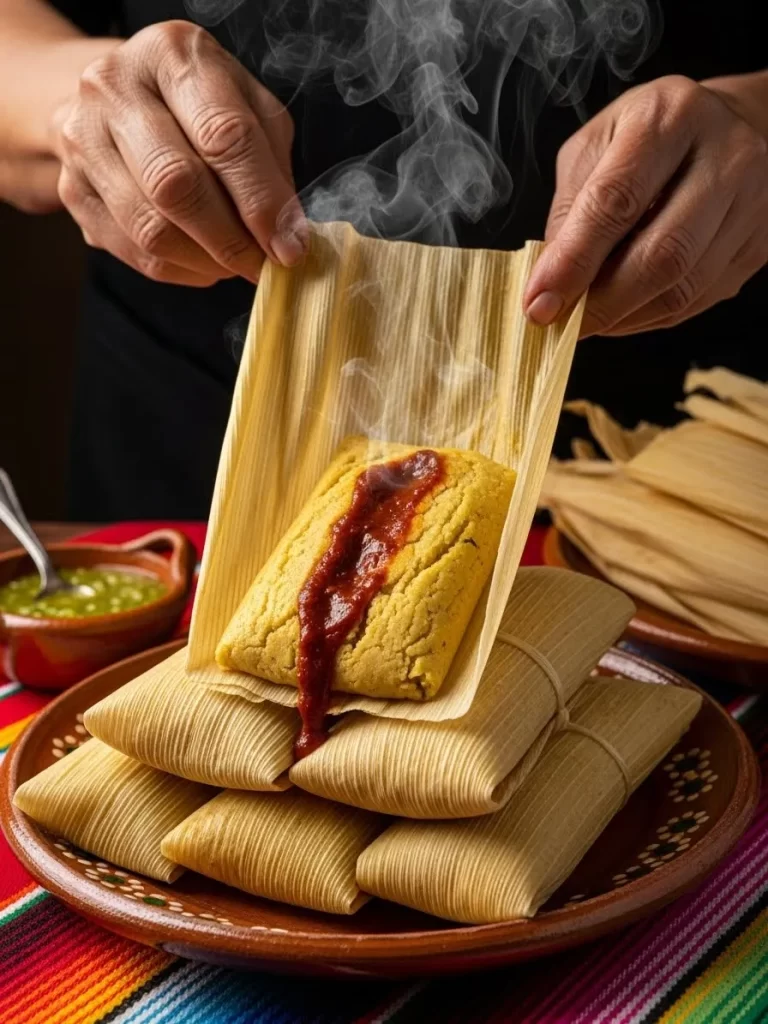
A person holds open a warm corn husk to reveal a steaming yellow tamale. A thick line of deep red salsa runs down the center of the corn masa. More tamales are stacked in a pile on a colorful striped cloth.
The steam carries the smell of toasted corn and spicy peppers. A small bowl of green salsa sits nearby for those who want extra heat. Making tamales is a family event that brings people together for the holidays.
The texture of the masa is soft and light like a cloud. Each bundle is a small gift that holds a savory surprise inside. This meal is a classic way to celebrate a lucky start with your community.
Ingredients Required
4 cups corn masa flour
1 cup lard or vegetable shortening
3 cups warm chicken broth
1 teaspoon baking powder
1 bag dried corn husks
2 cups shredded cooked chicken or beef
1 cup red salsa
Equipment Needed
Large steamer pot
Large mixing bowl
Electric mixer
Small bowl for soaking
DIY Instructions
Put the dried corn husks in a bowl of warm water and let them soak for one hour.
Beat the lard in a large bowl with a mixer until it looks light and fluffy.
Add the masa flour and baking powder to the lard slowly.
Pour in the warm broth while you continue to mix the dough.
The dough should feel soft like wet sand but not sticky.
Take a wet corn husk and pat it dry with a towel.
Spread two tablespoons of dough onto the wide end of the husk in a flat square.
Place a spoonful of shredded meat in the middle of the dough.
Fold the sides of the husk inward so the dough covers the meat.
Fold the bottom of the husk up to seal the bundle.
Stand the tamales upright in a steamer pot with the open end facing up.
Steam the tamales over boiling water for 60 to 90 minutes.
They are done when the husk peels away from the dough easily.
Serve the warm tamales with a big spoonful of red salsa on top.
25. Coq au Vin for Celebration
Traditional New Year’s Recipes
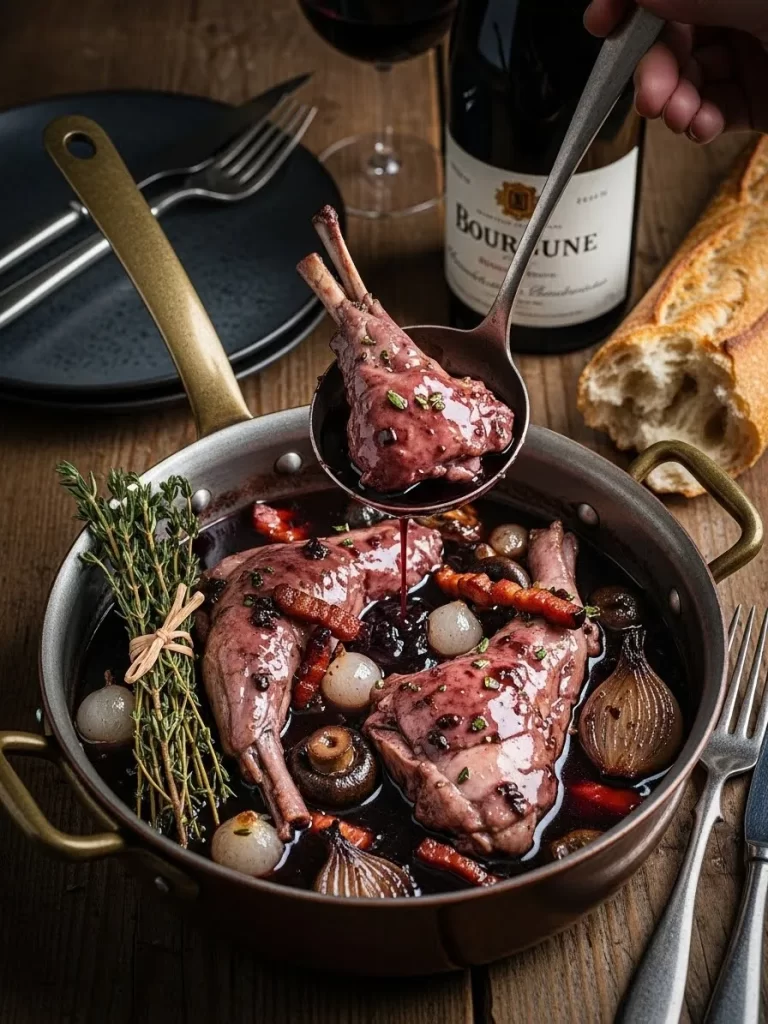
Large chicken legs simmer in a deep purple wine sauce inside a copper pot. Small white onions and brown mushrooms float in the rich liquid with crispy bacon bits. A bundle of fresh thyme is tied with string and tucked into the corner.
A ladle lifts a piece of chicken to show the glossy and dark sauce. A crusty baguette and a bottle of red wine sit on the wooden table behind the pan. This French classic is a sophisticated choice for a New Year dinner.
The long cooking time makes the meat very tender and flavorful. Every ingredient adds a layer of richness to the final dish. It is a hearty meal that feels like a warm hug on a cold night.
Ingredients Required
4 large chicken legs and thighs
1 bottle of dry red wine like Burgundy
1/2 pound thick cut bacon diced
1 pound small white mushrooms
10 pearl onions peeled
2 tablespoons tomato paste
3 cups chicken stock
Fresh thyme and bay leaves
Equipment Needed
Large copper or heavy bottomed pot
Slotted spoon
Kitchen twine
Tongs
DIY Instructions
Fry the diced bacon in your large pot over medium heat until it is crispy.
Remove the bacon with a slotted spoon but leave the fat in the pan.
Brown the chicken pieces in the bacon fat until the skin is golden.
Take the chicken out and set it aside on a plate.
Add the mushrooms and pearl onions to the pot and cook them for five minutes.
Stir in the tomato paste and cook for one minute.
Pour the entire bottle of red wine into the pot and scrape the bottom to release the flavor.
Place the chicken and bacon back into the wine liquid.
Add the chicken stock until the meat is almost covered.
Tie the thyme and bay leaves together and drop them in.
Cover the pot and simmer on low heat for one hour.
Remove the lid and cook for another 20 minutes to thicken the sauce.
Season with a little salt if needed before serving.
Serve the chicken in deep bowls with plenty of sauce and fresh bread.
26. Corned Beef and Cabbage
Traditional New Year’s Recipes
Slices of bright pink corned beef are piled on a ceramic plate next to a wedge of green cabbage. Small red potatoes and orange carrots surround the meat to make a full meal. A glass of dark stout beer with a thick foam head stands in the back.
A small bowl of yellow grain mustard sits in the front for extra flavor. The beef shows a beautiful marbled texture and is topped with black peppercorns. This dish is a traditional symbol of luck and simple living.
The cabbage is cooked until it is soft and sweet. This meal is very popular in many homes to celebrate a fresh start. It is a filling and honest plate of food for any holiday gathering.
Ingredients Required
3 pound corned beef brisket with spice packet
1 head of green cabbage cut into wedges
1 pound small red potatoes
4 large carrots peeled and cut
2 tablespoons brown sugar
1 bottle of dark beer
Water to cover
Equipment Needed
Large pot or slow cooker
Sharp knife
Cutting board
Serving platter
DIY Instructions
Place the corned beef brisket in a large pot with the fat side facing up.
Sprinkle the spice packet that came with the meat over the top.
Add the brown sugar to give the meat a hint of sweetness.
Pour the bottle of beer over the beef and then add enough water to cover it.
Bring the pot to a boil then lower the heat to a simmer.
Cover the pot and cook for two and a half hours until the meat is tender.
Add the potatoes and carrots to the pot and cook for 15 minutes.
Place the cabbage wedges on top of the liquid for the last 15 minutes.
Take the meat out of the pot and let it rest for ten minutes on a board.
Slice the beef against the grain into thin pieces.
Arrange the meat in the center of a platter with the vegetables around the edges.
Serve the dish with a big dollop of spicy mustard on the side.
27. Fried Meat Patties and Mash
Traditional New Year’s Recipes
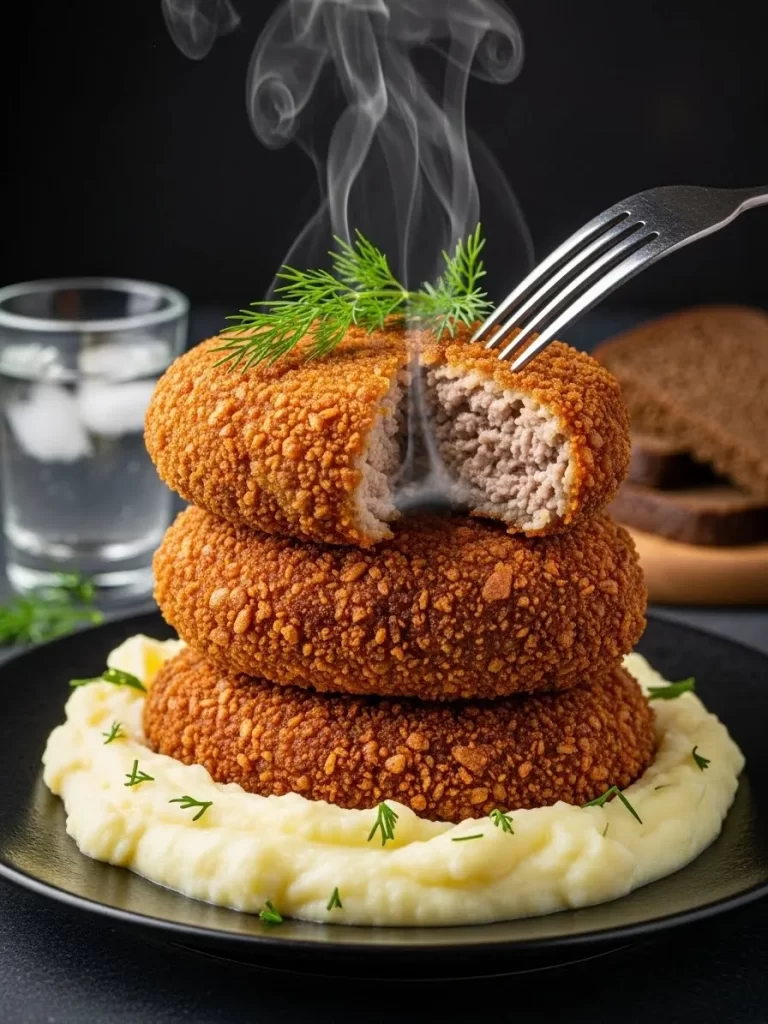
A stack of three crispy golden meat patties sits on a bed of creamy mashed potatoes. One patty is broken open to show the steaming and juicy ground meat inside. Fresh dill sprigs decorate the top of the dark plate.
A shot of clear spirits and a piece of brown bread sit in the background. The steam rises in white swirls against the dark wall. This comforting meal is a common winter tradition for a strong and healthy body.
The patties have a crunchy outer layer and a soft center. The smooth potatoes soak up any juices from the meat. It is a simple but satisfying dinner that everyone will enjoy.
Ingredients Required
1 pound ground beef
1 pound ground pork
1 cup breadcrumbs
1/2 cup milk
1 onion grated
2 large potatoes boiled and mashed
1/4 cup butter
Fresh dill for garnish
Equipment Needed
Large skillet
Mixing bowl
Potato masher
Spatula
DIY Instructions
Mix the breadcrumbs and milk in a bowl and let them sit for five minutes.
Add the ground beef, ground pork, and grated onion to the breadcrumbs.
Season the mixture with a generous amount of salt and pepper.
Shape the meat into thick round patties using your hands.
Heat a little oil in a skillet over medium heat.
Fry the patties for 6 to 8 minutes on each side until they are brown and cooked through.
Mash your boiled potatoes with butter and a splash of milk until they are smooth.
Spread a large scoop of mashed potatoes onto a plate.
Stack the hot meat patties on top of the potatoes.
Sprinkle fresh dill over the whole dish before serving.
Add a side of pickles if you want a tangy crunch with your meal.
28. Mediterranean Seafood Paella
Traditional New Year’s Recipes
A wide metal pan is filled with golden saffron rice and a variety of fresh seafood. Large pink shrimp are arranged in a star shape around a central lemon wedge. Dark mussels and bright red pepper strips fill the gaps between the grains.
A bottle of white wine and two glasses sit on the stone table in the sunlight. This colorful dish represents a celebration of the sea and the sun. Sharing a paella is a fun way to bring a large group of people together.
The rice at the bottom of the pan gets crispy and is the best part to eat. Every bite is full of the flavor of the ocean and rich spices. This meal is a vibrant way to toast to a lucky and bright year.
Ingredients Required
2 cups short grain paella rice
4 cups seafood broth
1/2 pound large shrimp
1/2 pound fresh mussels
1 teaspoon saffron threads
1 onion chopped
1 red bell pepper sliced
1/2 cup frozen peas
2 tablespoons olive oil
Equipment Needed
Wide shallow paella pan or large skillet
Measuring cups
Wooden spoon
Tongs
DIY Instructions
Heat the olive oil in your wide pan over medium heat.
Sauté the onions and red peppers until they are soft and bright.
Stir the rice into the pan and cook for two minutes to coat the grains in oil.
Crumble the saffron into the seafood broth and pour it over the rice.
Do not stir the rice again once the liquid is added.
Let the rice simmer for 10 minutes until half the liquid is gone.
Push the mussels and shrimp into the rice in a pretty pattern.
Sprinkle the green peas over the top of the pan.
Continue cooking for another 8 to 10 minutes until the rice is tender.
You should hear a slight crackling sound when the bottom rice gets crispy.
Turn off the heat and cover the pan with a towel for five minutes.
Place a fresh lemon wedge in the center of the pan before serving.
Serve the paella directly from the pan so everyone can dig in together.
29. Stuffed Cabbage Rolls
Traditional New Year’s Recipes
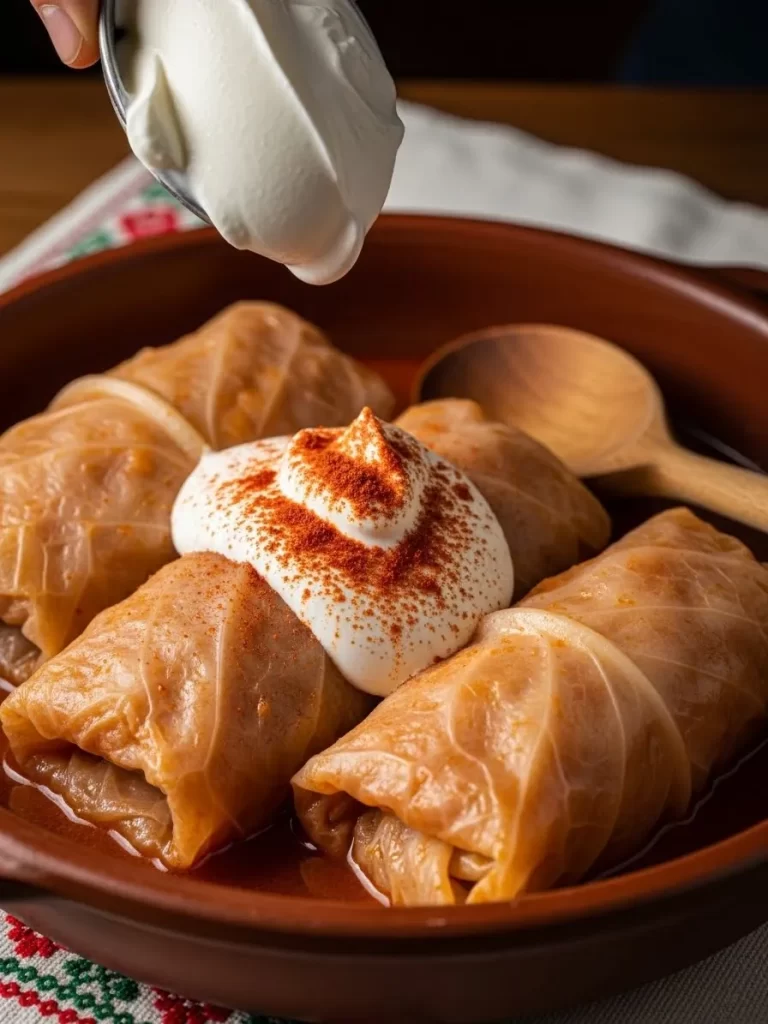
Four plump cabbage rolls sit in a shallow bowl of savory red sauce. A large spoonful of thick white sour cream is being dropped onto the center of the dish. A dusting of red paprika adds a smoky finish to the meal.
A wooden spoon rests in the background near a cloth with traditional red patterns. These rolls are a symbol of abundance and are often served at family feasts. The cabbage leaves are tender and wrap perfectly around the meat filling.
The sour cream melts into the warm sauce to create a rich gravy. This dish is slow cooked to let all the flavors blend together. It is a comforting meal that celebrates heritage and good fortune.
Ingredients Required
1 large head of green cabbage
1 pound ground pork
1 cup cooked white rice
1 onion finely chopped
2 cups tomato sauce
1 tablespoon paprika
1 cup sour cream
Salt and pepper to taste
Equipment Needed
Large pot for boiling
Baking dish
Mixing bowl
Spoon
DIY Instructions
Place the whole head of cabbage in a pot of boiling water for ten minutes.
Peel off the large outer leaves as they become soft and set them aside.
Mix the ground pork, cooked rice, and chopped onion in a bowl.
Add a little salt and pepper to the meat mixture.
Lay a cabbage leaf flat and cut out the thick vein at the bottom.
Place two tablespoons of the meat mix at one end of the leaf.
Fold the sides of the leaf over the meat and roll it up tightly.
Place the rolls in a baking dish with the seam facing down.
Pour the tomato sauce over the top of the rolls.
Sprinkle the paprika over the sauce for extra flavor.
Cover the dish with foil and bake at 350 degrees for one hour.
Take the dish out and remove the foil.
Add a big dollop of sour cream to each roll before serving.
30. Duck Confit and Lentils
Traditional New Year’s Recipes
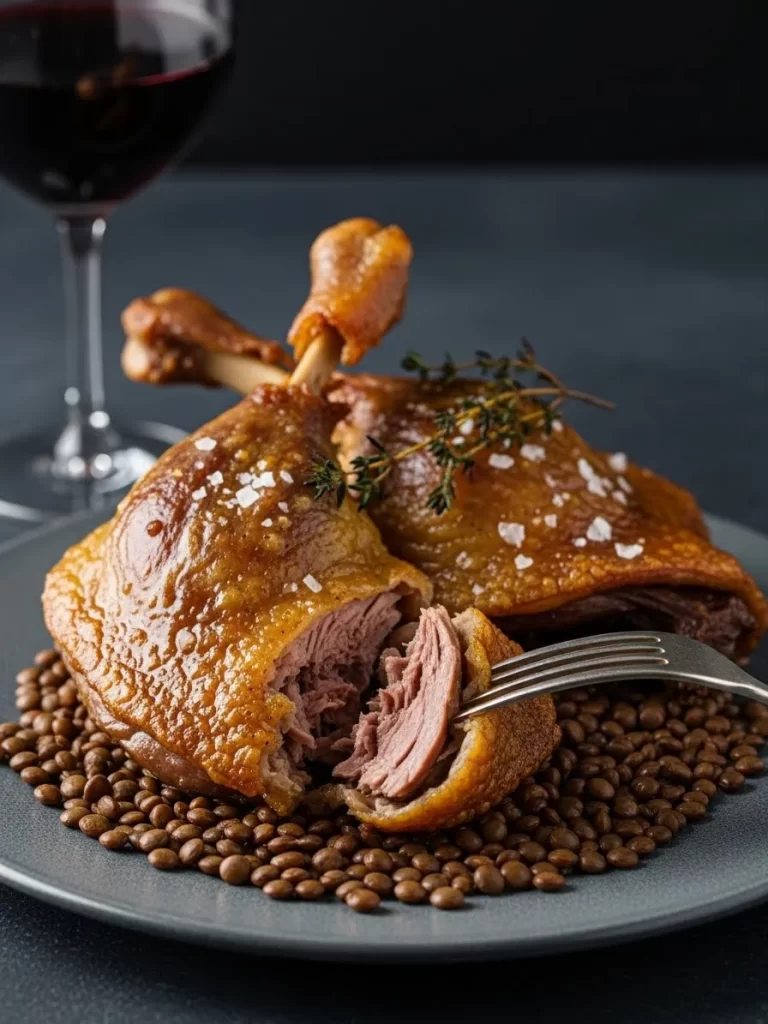
Two crispy duck legs sit on a bed of small green lentils on a dark gray plate. A fork pulls away a piece of the tender meat to show the juicy texture. A sprig of fresh thyme and a glass of red wine complete the elegant meal.
Small flakes of sea salt are scattered over the golden skin of the duck. The lentils are cooked in a savory broth to provide an earthy base for the rich meat. This dish is a classic way to enjoy a luxurious holiday dinner.
The duck skin is very thin and cracks like glass when you touch it. This cooking method preserves the meat and makes it incredibly flavorful. It is a wonderful way to treat your guests to something special.
Ingredients Required
2 precooked duck confit legs
1 cup dried French green lentils
2 cups chicken broth
1 carrot finely diced
1 onion finely diced
1 tablespoon olive oil
Fresh thyme sprigs
Equipment Needed
Small saucepan
Skillet
Knife
Serving plate
DIY Instructions
Rinse the lentils and place them in a saucepan with the chicken broth.
Bring the broth to a boil then lower the heat to a simmer.
Cook the lentils for 20 minutes until they are soft but not mushy.
Sauté the onion and carrot in a skillet with a little oil until soft.
Stir the vegetables into the cooked lentils and keep them warm.
Place the duck legs in a cold skillet with the skin side facing down.
Turn the heat to medium and cook the duck for 8 to 10 minutes.
The fat will melt out and the skin will become very crispy and gold.
Flip the duck over for one minute to warm the other side.
Spoon a large pile of lentils onto the center of a plate.
Rest the crispy duck legs on top of the lentils.
Garnish with a fresh sprig of thyme and a pinch of sea salt.
31. Belgian Croustillons
Traditional New Year’s Recipes
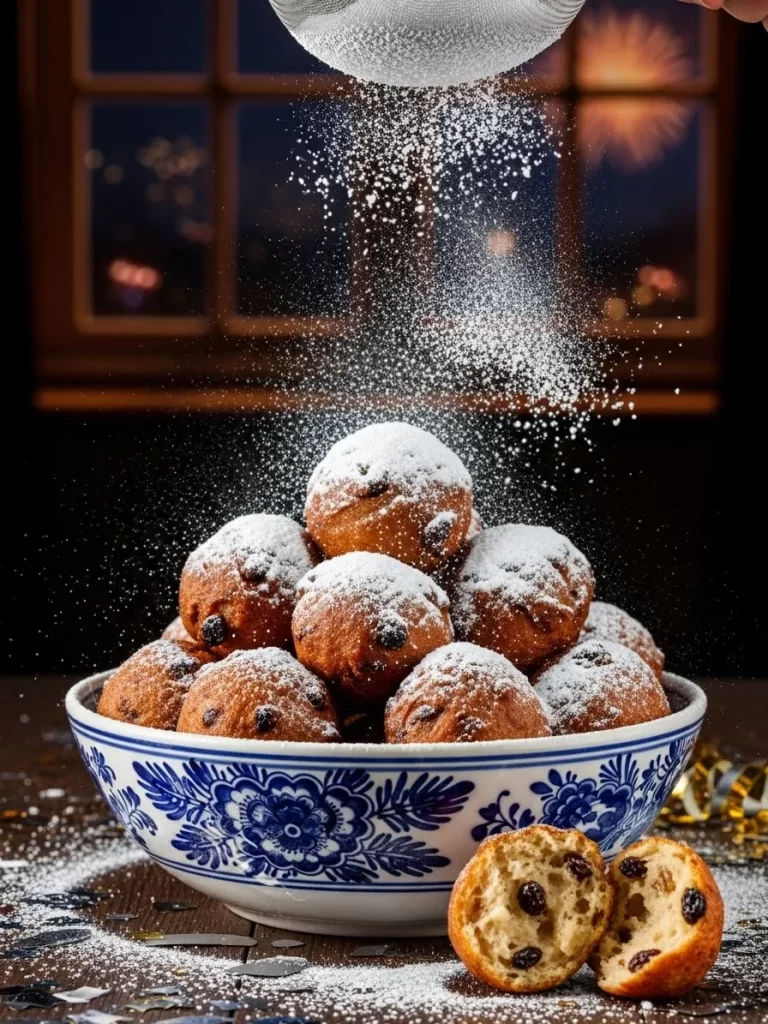
Snowy drifts of powdered sugar fall from a silver sifter onto a mountain of golden dough balls. These deep fried treats are piled high in a classic blue and white ceramic bowl. One fritter sits split open in the foreground to reveal a light airy center dotted with dark raisins.
Warm light flickers through a window in the background as fireworks burst in the night sky. Golden confetti pieces are scattered across the dark wooden table to mark the celebration. These sweet puffs are a beloved street food tradition for welcoming the new year with sweetness.
The smell of hot oil and vanilla sugar creates a cozy holiday feeling. Each ball has a satisfying crunch that gives way to a soft pillowy interior. Sharing a bowl of these warm snacks is a simple way to bring friends and family together.
Ingredients Required
4 cups all purpose flour
1 1/2 cups warm milk
1 packet active dry yeast
1/4 cup melted butter
2 large eggs
2 tablespoons white sugar
1/2 cup raisins
vegetable oil for frying
powdered sugar for the topping
Equipment Needed
Large mixing bowl
Deep heavy pot or fryer
Slotted spoon
Fine mesh sifter
Two large spoons
Paper towels
DIY Instructions
Whisk the warm milk and white sugar in a bowl until the sugar disappears completely.
Sprinkle the yeast over the milk and let it sit for ten minutes until a thick foam forms on top.
Place the flour in a large mixing bowl and make a small hole in the center.
Pour the yeast mixture, melted butter, and eggs into the hole.
Stir the dough until it is smooth and then fold in the raisins.
Cover the bowl with a towel and let the dough rise in a warm spot for about one hour.
Fill a heavy pot with several inches of oil and heat it to 350 degrees.
Use two spoons to form small round balls of dough about the size of a golf ball.
Drop the balls into the hot oil carefully so they do not splash.
Fry for about 5 minutes until every side is a deep golden brown.
Scoop the hot fritters out with a slotted spoon and let them drain on paper towels.
Pile the warm balls into a large bowl.
Shake a sifter filled with powdered sugar over the top until they look like they are covered in snow.
32. French Galette des Rois
Traditional New Year’s Recipes
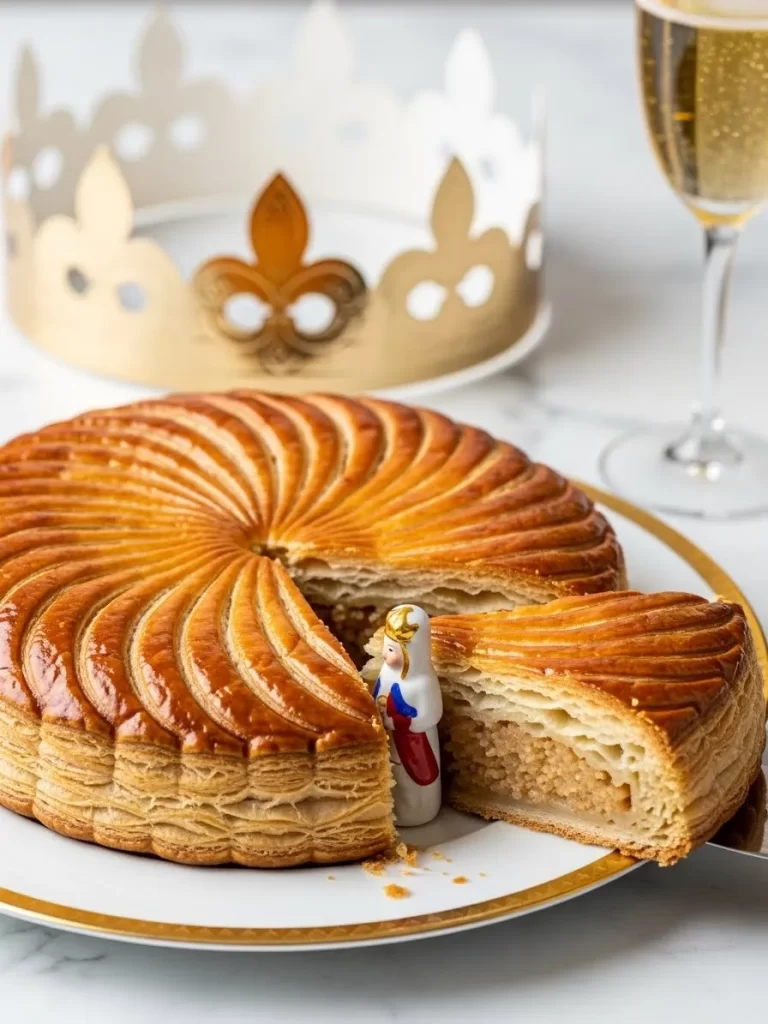
A golden puff pastry cake sits on a white plate with a shiny crown waiting nearby. The top of the cake features a beautiful spiral pattern etched into the flaky crust. A single slice reveals a thick layer of creamy almond frangipane hidden inside.
A small porcelain figure known as a feve stands next to the sliced piece of cake. The person who finds this hidden toy in their portion is crowned king or queen for the day. This elegant dessert is the centerpiece of many European celebrations in early January.
Crispy layers of buttery pastry shatter with every bite of the fork. The rich almond filling provides a smooth and sweet contrast to the salty crust. This tradition combines a delicious meal with a fun game for the whole family.
Ingredients Required
2 sheets frozen puff pastry thawed
1 cup almond flour
1/2 cup softened butter
1/2 cup white sugar
2 large eggs
1 teaspoon almond extract
1 egg yolk for the wash
1 small heat proof trinket or whole almond
Equipment Needed
Large baking sheet
Parchment paper
Mixing bowl
Sharp knife
Pastry brush
Small crown for the winner
DIY Instructions
Heat your oven to 400 degrees and line a baking sheet with parchment paper.
Mix the softened butter and sugar in a bowl until the mixture is creamy.
Stir in the almond flour, eggs, and almond extract to create the frangipane filling.
Lay one sheet of puff pastry on the parchment paper and cut it into a large circle.
Spread the almond cream onto the center of the circle but leave a one inch border at the edge.
Press your small trinket or whole almond into the cream in a random spot.
Brush the empty border of the pastry with water.
Cut the second sheet of pastry into a slightly larger circle and place it over the filling.
Press the edges of the two pastry sheets together firmly with your fingers to seal them.
Use a sharp knife to draw a spiral or leaf pattern on the top layer of pastry but do not cut all the way through.
Brush the top of the cake with the egg yolk to make it look shiny and gold.
Bake for 25 to 30 minutes until the cake is puffed up and very brown.
Let the galette cool for ten minutes before serving so the filling sets.
33. Danish Risalamande
Traditional New Year’s Recipes
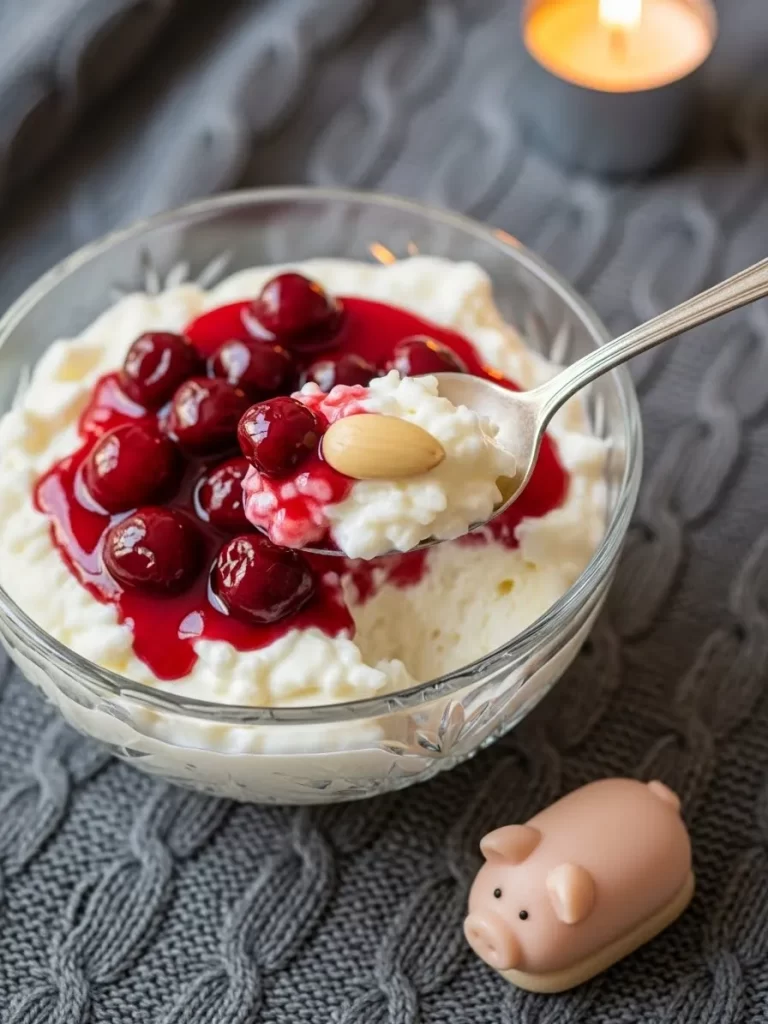
A crystal bowl holds a creamy white rice pudding topped with a vibrant red cherry sauce. Whole dark cherries sit nestled in the thick syrup on the surface of the dessert. A silver spoon lifts a bite to show a single whole almond hidden in the mix.
A small pink pig figurine sits on the gray table next to a glowing candle. In Denmark the person who finds the whole almond wins a prize like a marzipan pig. This tradition turns a simple bowl of porridge into an exciting holiday event.
The pudding is cold and smooth with a hint of vanilla and crunchy chopped almonds. The tart cherry sauce cuts through the richness of the heavy cream. It is a comforting and sweet way to look forward to good fortune.
Ingredients Required
1/2 cup short grain rice
4 cups whole milk
1/2 cup sugar
1 vanilla bean or 1 teaspoon extract
1 cup heavy cream whipped
1/2 cup chopped almonds
1 whole blanched almond
1 jar cherry dessert sauce
Equipment Needed
Medium saucepan
Mixing bowl
Whisk
Serving bowls
DIY Instructions
Combine the rice and milk in a saucepan over medium heat.
Scrape the seeds from the vanilla bean into the milk and drop the pod in too.
Bring the mixture to a slow boil while stirring so the rice does not stick to the bottom.
Lower the heat and simmer for 30 minutes until the rice is soft and the milk is absorbed.
Stir in the sugar and then let the pudding cool completely in the fridge.
Remove the vanilla pod from the cold rice mixture.
Fold the whipped heavy cream and chopped almonds into the cold rice gently.
Drop the one whole blanched almond into the bowl and stir it in so it is hidden.
Scoop the pudding into small glass bowls.
Pour a generous amount of red cherry sauce over the top of each serving.
Serve the dish cold and tell everyone to look out for the hidden almond.
34. Southern Cornbread and Honey
Traditional New Year’s Recipes
Three thick squares of golden cornbread are stacked in a black cast iron skillet. A square of yellow butter sits on the top piece and melts into the porous surface. A thin stream of amber honey pours from above and coats the bread in a sticky glaze.
A bowl of black eyed peas sits in the background to complete the lucky meal. The yellow color of the corn represents gold and wealth for the coming year. This bread is a staple for a traditional Southern New Year feast.
The edges of the bread are crispy from the hot skillet while the inside stays moist. The honey adds a touch of sweetness that balances the savory meal. This simple dish is full of history and hopes for a rich future.
Ingredients Required
2 cups yellow cornmeal
1 cup all purpose flour
2 teaspoons baking powder
1/2 teaspoon salt
1 cup buttermilk
2 large eggs
1/4 cup melted butter
Honey and extra butter for the topping
Equipment Needed
10 inch cast iron skillet
Large mixing bowl
Whisk
Measuring cups
DIY Instructions
Place your cast iron skillet in the oven and heat it to 400 degrees.
Mix the cornmeal, flour, baking powder, and salt in a large bowl.
Whisk the buttermilk, eggs, and melted butter together in a different bowl.
Pour the wet ingredients into the dry ingredients and stir until just combined.
Remove the hot skillet from the oven and grease it with a little bit of butter.
Pour the batter into the hot skillet and listen for a slight sizzle.
Bake the cornbread for 20 to 25 minutes until the top is golden and firm.
Let the bread cool for five minutes before cutting it into large squares.
Stack the squares on a plate or leave them in the skillet for a rustic look.
Place a pat of butter on the top and drizzle with as much honey as you like.
35. Italian Panettone
Traditional New Year’s Recipes
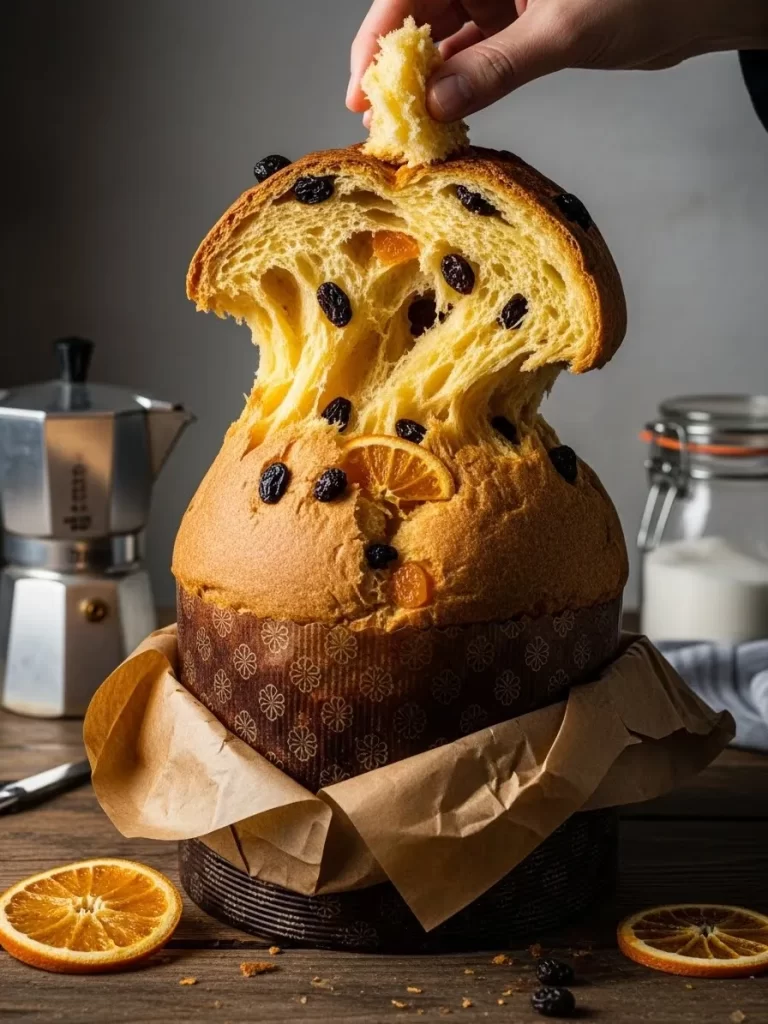
A tall dome of soft golden bread is pulled apart by hand to show the airy texture inside. Dark raisins and pieces of candied orange peel are scattered throughout the yellow dough. A silver coffee pot and a jar of sugar sit on the wooden table in the background.
The bread sits in its traditional brown paper mold with a floral pattern. Dried orange slices rest on the table to hint at the citrus flavor of the loaf. This Italian sweet bread is a sign of luxury and celebration during the winter months.
The crumb is very light and stretches as it is torn. The aroma of sweet yeast and fruit fills the kitchen. It is often served with a hot cup of coffee or a glass of sweet wine.
Ingredients Required
4 cups bread flour
1/2 cup warm water
1 packet active dry yeast
1/2 cup white sugar
1/2 cup softened butter
3 large eggs plus 2 yolks
1 cup raisins soaked in warm water
1/2 cup candied orange peel diced
1 tablespoon vanilla extract
Equipment Needed
Panettone paper mold or deep round tin
Stand mixer with a dough hook
Large bowl
Cooling rack
DIY Instructions
Mix the warm water and yeast in your mixer bowl and let it sit for five minutes.
Add one cup of flour and a spoonful of sugar to the yeast to make a soft paste.
Cover and let this starter rise for one hour until it is full of bubbles.
Add the rest of the flour, sugar, eggs, and vanilla to the bowl.
Use the dough hook to mix the dough for ten minutes until it feels very stretchy.
Mix in the softened butter one small piece at a time.
Fold in the drained raisins and the candied orange peel by hand.
Place the dough into your tall paper mold and cover it with a cloth.
Let the bread rise in a warm spot for three hours until it reaches the top of the mold.
Heat your oven to 350 degrees.
Cut a small cross in the top of the dough with a sharp knife.
Bake for 40 to 45 minutes until the bread sounds hollow when you tap the top.
Pierce the bottom of the bread with long skewers and hang it upside down to cool so it stays light and fluffy.
36. Braided Challah Bread
Traditional New Year’s Recipes
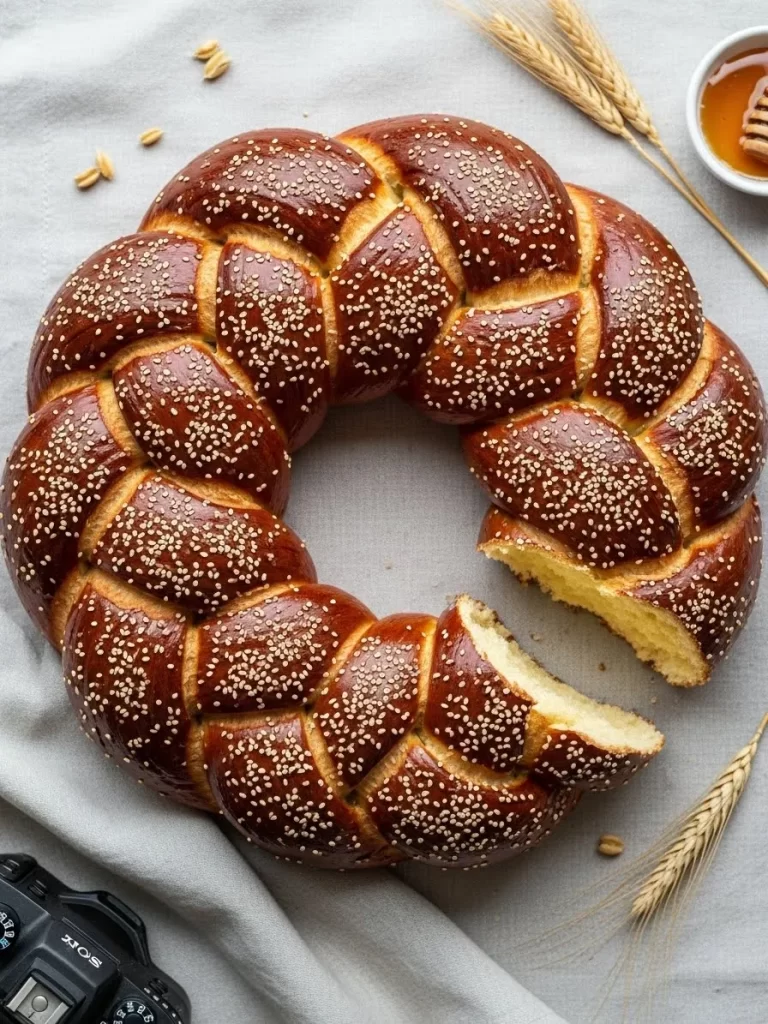
A large circular loaf of braided bread sits on a gray linen cloth. The crust is a deep shiny brown and is covered in a heavy dusting of white sesame seeds. One thick slice is removed to show the soft white interior of the bread.
Fresh wheat stalks and a small bowl of honey decorate the table around the loaf. The round shape of the bread represents the cycle of the year and the continuity of life. This bread is a beautiful centerpiece for a meaningful holiday dinner.
The dough is slightly sweet and very rich from the use of many eggs. The braided texture makes it easy to pull apart and share with others. This bread carries a message of peace and unity for the months ahead.
Ingredients Required
5 cups all purpose flour
1 cup warm water
1 packet active dry yeast
1/2 cup honey
1/2 cup vegetable oil
3 large eggs
1 teaspoon salt
2 tablespoons sesame seeds
Equipment Needed
Baking sheet
Large mixing bowl
Pastry brush
Measuring spoons
DIY Instructions
Whisk the warm water, yeast, and a teaspoon of honey in a bowl and wait ten minutes.
Stir in the rest of the honey, oil, and two of the eggs.
Add the salt and the flour one cup at a time while stirring with a spoon.
Knead the dough on a floured surface for ten minutes until it is smooth and bounces back.
Place the dough in a greased bowl and let it rise for two hours.
Punch the dough down and divide it into three long ropes.
Braid the three ropes together just like you would braid hair.
Take the long braid and wrap it into a circle then pinch the ends together.
Place the round loaf on a baking sheet and let it rise for another hour.
Heat your oven to 350 degrees.
Beat the last egg and brush it all over the top of the bread.
Sprinkle the sesame seeds over the egg wash so they stick.
Bake for 30 to 35 minutes until the loaf is dark brown and feels light.
37. New Orleans Beignets
Traditional New Year’s Recipes
Four square pillows of fried dough are stacked on a white plate. A thick layer of powdered sugar covers the top of the pile like a fresh snowfall. A white cup of frothy cafe au lait sits in the background on a light wooden table.
The dough is puffed up and golden with a slight crunch on the outside. These treats are a famous part of the holiday season in Louisiana. Eating them is a messy but joyful way to start a new morning.
The center of the dough is hollow and light which makes them very easy to eat. The sugar melts slightly as it touches the warm surface of the bread. This snack brings a taste of the French Quarter to your celebration.
Ingredients Required
3 cups all purpose flour
1 cup warm water
1 packet active dry yeast
1/4 cup white sugar
1/2 cup evaporated milk
1 large egg
2 tablespoons vegetable shortening
vegetable oil for deep frying
1 cup powdered sugar
Equipment Needed
Large mixing bowl
Rolling pin
Pizza cutter or knife
Deep fryer or heavy pot
Paper towels
DIY Instructions
Stir the yeast and sugar into the warm water and let it sit for ten minutes.
Whisk the egg and evaporated milk into the yeast mixture.
Mix in the flour and shortening until a soft dough forms.
Cover the bowl and let the dough rise in the fridge for at least two hours.
Roll the cold dough out on a floured surface until it is about half an inch thick.
Use a pizza cutter to slice the dough into two inch squares.
Heat several inches of oil in a pot to 360 degrees.
Drop a few squares into the oil and watch them puff up like pillows.
Fry for two minutes on each side until they are a light gold color.
Drain the beignets on paper towels for a few seconds.
Place the warm squares in a paper bag with the powdered sugar.
Shake the bag vigorously until every piece is completely covered in white sugar.
38. Japanese Kagami Mochi
Traditional New Year’s Recipes
Two round white rice cakes are stacked on a small wooden stand called a sanbo. A bright orange mandarin orange with a single green leaf sits on the very top of the stack. A piece of white paper with a red border is tucked beneath the mochi.
The background shows a simple wooden wall that creates a calm and clean atmosphere. This decoration is placed in the home to honor the gods of the new year. The name means mirror rice cake and represents a bright reflection of the past.
The mochi is hard and smooth but will be broken and eaten later in the month. This ritual brings health and family strength to the household. It is a peaceful symbol of balance and gratitude.
Ingredients Required
2 cups sweet rice flour mochiko
1 1/2 cups water
1/2 cup cornstarch for dusting
1 fresh mandarin orange with a leaf
Equipment Needed
Microwave safe bowl
Plastic wrap
Small wooden stand or plate
Decorative paper
DIY Instructions
Mix the rice flour and water in a microwave safe bowl until the lumps are gone.
Cover the bowl with plastic wrap and heat it in the microwave for two minutes.
Stir the sticky dough with a wet spoon and then heat it for one more minute.
The dough should look translucent and feel very stretchy.
Spread a thick layer of cornstarch on your clean table.
Scrape the hot dough onto the cornstarch and let it cool for a minute.
Divide the dough into two pieces making one slightly larger than the other.
Use your hands to shape each piece into a smooth round disk.
Let the mochi sit on the table for several hours until the outside feels dry and firm.
Place a piece of white paper with a red edge onto a small wooden stand.
Set the larger mochi disk on the paper.
Place the smaller mochi disk directly on top of the first one.
Finish by resting the mandarin orange on the very top of the stack.
Display this in a special place in your home until the middle of January.
Key Takeaways
Symbolic Ingredients: Common lucky foods include beans for coins, greens for paper money, and long noodles for longevity.
Cultural Diversity: New Year traditions span the globe, from the Osechi Ryori of Japan to the Hoppin John of the American South.
Family Connection: Many of these recipes, like the hidden coin in the Vasilopita, are designed to create interactive and fun memories with family.
Abundance and Wealth: Whole fish and pigs are often served to represent a wish for plenty and prosperity from the beginning of the year to the end.
Welcoming the new year with food is a universal language of hope. These 38 traditional recipes provide more than just nourishment for the body. They offer a way to connect with the deep meanings and stories that shape our cultures. By bringing these dishes to your table, you are participating in a global celebration of luck and resilience.
May your kitchen be filled with the warmth of these flavors as you toast to the months ahead. Whether you choose the sweetness of Dutch Oliebollen or the hearty comfort of German Sauerkraut, may every bite bring you closer to your goals. The transition into a new season is the best time to gather, reflect, and eat well.
Enjoy the process of trying these new flavors and learning the history behind them. Share these meals with friends and neighbors to spread the good fortune. Here is to a year filled with delicious discoveries, great health, and abundance for everyone at your table.
Spread the loveFinding yourself with a frozen bird on the morning of a big feast is a nightmare many hosts share. The pressure to deliver a delicious meal can feel overwhelming when the clock is…
Spread the loveNothing warms the soul quite like a steaming bowl of pasta and melted cheese. Finding a meal that feels like a hug can be tough when you are short on time. These recipes…
Spread the loveThe colder months arrive, bringing with them a craving for deep, satisfying warmth. A steaming mug held in your hands is the very definition of winter comfort. This year, move beyond the usual…